
استمتع بـUnlimited مع Magzter GOLD
احصل على وصول غير محدود إلى أكثر من 9000 مجلة وصحيفة وقصة مميزة مقابل
يحاول ذهب - حر
ANIMAL EMISSIONS: HOW BIG IS MY PET'S CARBON PAWPRINT AND WHAT CAN I DO TO MINIMISE IT?
January 2022
|BBC Science Focus
Globally, pets chomp their way through about 20 per cent of the planet’s meat and fish. Could Fido and Mr Tibbles adopt a more carbon-friendly lifestyle?

Cats and dogs get more of their protein from meat and fish than we do. In the US alone, they account for about a quarter of all the calories consumed from animal products, emitting the CO, equivalent of around 13 million cars through livestock production, according to a 2017 study. Our pets would certainly be more environmentally friendly if they went plant-based, but can we make that choice for any species that has different dietary needs to us?
Domestic cats are obligate carnivores – they need the nutrients in meat to survive. Take the amino acid taurine, for example. Without it, cats develop heart problems and go blind. Though such essential nutrients can be given as supplements along with plant-based meals, there's intense debate between animal experts and vegetarians about whether, overall, these are adequate for cats' needs.
Dogs, on the other hand, seem better adapted to an omnivorous lifestyle and are capable of thriving on diets containing higher quantities of grains and veg. Though that doesn't mean we can simply cut out their protein.
One sustainable alternative is insect-based food from companies that sell high-protein dog and cat food pellets made from ground up fly larvae. However, these foods tend to be expensive and may not be entirely carbon neutral as the insects are often shipped in from Europe, but with all the hype around insect farming, there may soon be more local suppliers.
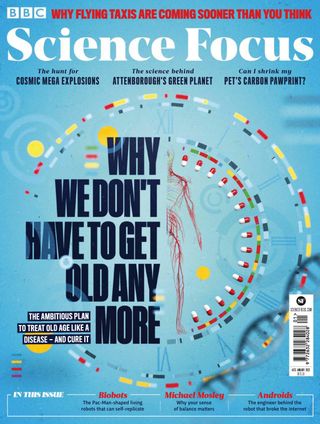

هذه القصة من طبعة January 2022 من BBC Science Focus.
اشترك في Magzter GOLD للوصول إلى آلاف القصص المتميزة المنسقة، وأكثر من 9000 مجلة وصحيفة.
هل أنت مشترك بالفعل؟ تسجيل الدخول
المزيد من القصص من BBC Science Focus
BBC Science Focus
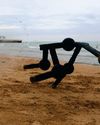
It absolutely will not stop
No, your eyes aren't deceiving you — this odd-looking sculpture is moving.

1 min
May 2026
BBC Science Focus
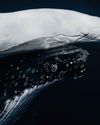
Not a black and white issue
This image of Mähina, an all-white humpback whale, won the 2026 World Nature Photographer of the Year competition.
1 min
May 2026

BBC Science Focus
HEALTH: Eating oats could lower your cholesterol in just two days
The health benefits of a two-day porridge diet lasted for weeks afterwards
1 mins
April 2026

BBC Science Focus
Most people are too sure they can identify fake human faces
Even 'super recognisers' struggle with the challenge. Can you do better?
1 min
April 2026
BBC Science Focus
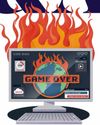
WHAT'S THE WORST THING YOU CAN DO FOR THE PLANET ONLINE?
Human beings can barely move a muscle without some kind of deleterious effect on the environment around us.
2 mins
April 2026
BBC Science Focus
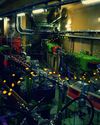
A bug in the system
The complex arrangement of equipment you see here is part of a particle accelerator.
1 min
April 2026
BBC Science Focus
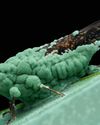
Snug as a bug in a rug
At first glance, you might feel envious of this little leafhopper, swaddled beneath the folds of what appears to be a luxurious fur blanket.
1 min
April 2026

BBC Science Focus
WHY DO WE ROOT FOR THE VILLAIN IN MOVIES?
Whether it's Darth Vader or Cruella de Vil, we all have a favourite movie villain.
1 mins
April 2026

BBC Science Focus
A TURN TO DISPERSE
Why a fart walk after dinner does more than release your gas
3 mins
April 2026
BBC Science Focus
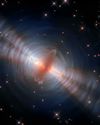
Hatching a nebula
Welcome to the Egg Nebula, an enigmatic structure formed by ejected stardust in the Cygnus constellation around 1,000 light-years from Earth.
1 min
April 2026
Translate
Change font size