يحاول ذهب - حر
Coronavirus Vaccine: Is It Safe?
January 2021
|BBC Focus - Science & Technology
Alongside wild conspiracy theories, many people have raised doubts over approved COVID-19 vaccines. Is their dose of scepticism well-founded?

Within a year of COVID-19 appearing in the UK, the seemingly unthinkable has happened: vaccines for it have started being administered to people across the country.
The first of the vaccines, developed by Pfizer/ BioNTech, was approved by the Medicines and Healthcare products Regulatory Agency (MHRA) as safe to use on 2 December 2020. This assessment was made, according to the MHRA’s chief executive Dr June Raine, after “a rigorous scientific assessment of all the available evidence of quality, safety and effectiveness.”
For some people, however, the news was too good to be true. A YouGov survey indicated that one in five British people (and 42 per cent of those aged between 25-49) say they’re unlikely to take the vaccine. The majority of those surveyed cite safety concerns as the reason for their reluctance.
COULD THE CORONAVIRUS VACCINE HAVE HIDDEN LONG-TERM EFFECTS?
With all coronavirus vaccines having been trialled for less than a year at this point, it’s true that their long-term effects are not completely understood. Yet scientists say it’s unfair to compare the vaccines to the likes of thalidomide. First sold in the UK in 1958, thalidomide – a drug marketed as a sedative and treatment for morning sickness – was found to cause major birth defects when taken by pregnant women, three years after it appeared on the market.

هذه القصة من طبعة January 2021 من BBC Focus - Science & Technology.
اشترك في Magzter GOLD للوصول إلى آلاف القصص المتميزة المنسقة، وأكثر من 9000 مجلة وصحيفة.
هل أنت مشترك بالفعل؟ تسجيل الدخول
المزيد من القصص من BBC Focus - Science & Technology

BBC Science Focus
DOES MY DOG HAVE ADHD?
Officially, Attention-Deficit Hyperactivity Disorder (ADHD) is a human condition. People are diagnosed with it. Dogs are not. Yet many of its core features, including hyperactivity, impulsivity and distractibility, can be found in dogs.

1 min
March 2026

BBC Science Focus
DOES MY BRAIN LIVE A LITTLE IN THE PAST?
Yes, your brain does live a little in the past. It can't help it. The information it receives via your senses is always a little out of date. Whether it's light entering the retinas in your eyes, or sounds vibrating the hairs in your ears, it not only takes time for the data to arrive, but your brain then has to process it.
2 mins
March 2026

BBC Science Focus
ASTRONOMY FOR BEGINNERS
RETURN OF THE EVENING STAR (VENUS)
1 mins
March 2026

BBC Science Focus
CAN YOU STOP YOUR SENSE OF TASTE DULLING AS YOU AGE?
Sometimes I hear people say that food just doesn't taste the same as they get older. It's tempting to blame this on age, but there are other factors at play, too.
1 mins
March 2026
BBC Science Focus
MICROBIOMES OF THE SUPERAGERS
BY STUDYING THE INCREASING NUMBER OF PEOPLE WHO ARE LIVING BEYOND THEIR 100TH BIRTHDAYS, SCIENTISTS ARE DISCOVERING THAT THE SECRET TO REACHING A RIPE OLD AGE IN RUDE HEALTH MIGHT LIE IN OUR GUTS
8 mins
March 2026

BBC Science Focus
HOW BIG WERE MEDIEVAL WAR HORSES?
You might picture knights charging into battle on towering steeds, but medieval horses were typically no bigger than modern-day ponies.
1 min
March 2026

BBC Science Focus
FORCES OF HABIT
Could new research on setting up healthy habits resuscitate those stuttering New Year resolutions?
3 mins
March 2026

BBC Science Focus
5 DANGERS HIDING IN YOUR PROCESSED FOOD
We all know that ultra-processed foods are bad for us, but what ingredients should we particularly try to avoid? And what are they doing to our bodies?
9 mins
March 2026
BBC Science Focus
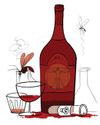
Mosquitoes are becoming thirstier for human blood
Habitat loss may be pushing mosquitoes towards human hosts with deadly consequences
1 mins
March 2026

BBC Science Focus
HOW CAN I GET OVER MY EX?
Relationship breakups can be brutal, just look at the popularity of songs like 'Someone Like You' by Adele, or all the covers of 'Cry Me a River' by Julie London.
1 mins
March 2026
Translate
Change font size