
استمتع بـUnlimited مع Magzter GOLD
احصل على وصول غير محدود إلى أكثر من 9000 مجلة وصحيفة وقصة مميزة مقابل
يحاول ذهب - حر
Robert Stone's Dark Dream of America
May 2020
|The Atlantic
His novelistic ambition to define the national condition is more relevant than ever.

Robert Stone was one of those novelists who try to wrap their arms around America itself. His career spanned almost 50 years, but he never really stopped writing about the ’60s and their fallout—American power and virtue collapsing in an eruption of violence and drugs and moral chaos, under the 10,000-mile, decades-long shadow of Vietnam. In 1971, Stone contrived to get a London alternative weekly to send him to Saigon so that he could research a novel about the war that was consuming American life. “I realized if I wanted to be a ‘definer’ of the American condition, I would have to go to Vietnam,” he later said.
Stone’s America is a dark place, but its failures are commensurate with the scale of its aspirations. His protagonists—they can be roughly divided into seekers and ironists, each representing aspects of their creator—are haunted by a vision of life more abundant, a sense of possibility that’s betrayed by their own weakness and the destabilizing undercurrents of history. His prose, with its potent mix of hard-boiled irony, romantic excess, and violent dissolution, can render the mood of a whole period instantly indelible. “If the world is going to contain elephants pursued by flying men,” thinks John Converse, the small-time American journalist in Dog Soldiers (1974) who’s preparing to smuggle heroin from Saigon back to the States, “people are just naturally going to want to get high.”
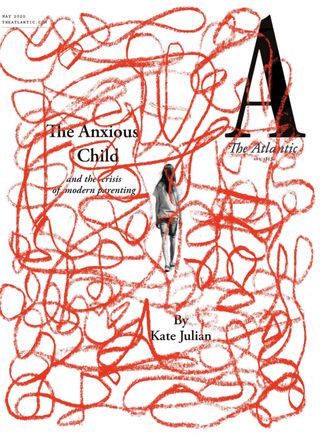

هذه القصة من طبعة May 2020 من The Atlantic.
اشترك في Magzter GOLD للوصول إلى آلاف القصص المتميزة المنسقة، وأكثر من 9000 مجلة وصحيفة.
هل أنت مشترك بالفعل؟ تسجيل الدخول
المزيد من القصص من The Atlantic

The Atlantic
How America Celebrated Its 100th Birthday
The Centennial Exhibition of 1876 promised a glorious industrial future. Outside its gates, the country seethed with violence and corruption.

12 mins
June 2026

The Atlantic
THE CLOWN SHOW
The Savannah Bananas are reviving one of the most entertaining—and controversial—teams in Negro Leagues history.
21 mins
June 2026

The Atlantic
The Diva
Denyce Graves is retiring from performing after a career as one of opera's leading women. But there's more work for her to do.
10 mins
June 2026

The Atlantic
Cat Heir
Did Karl Lagerfeld really leave millions to Choupette?
26 mins
June 2026

The Atlantic
The Secret of Elizabeth Strout's Appeal
How she writes best sellers that are also critical darlings
10 mins
June 2026
The Atlantic
THE VENTURE-CAPITAL POPULIST
How David Sacks and the new tech right went full MAGA and captured Washington
32 mins
June 2026

The Atlantic
Glory Days
Heartland rock was shot through with nostalgia— but nostalgia for what?
9 mins
June 2026

The Atlantic
Alien Nation
Why Americans want to believe that the government is hiding the truth about extraterrestrial life
11 mins
June 2026

The Atlantic
Dinah's Hat
On the day Dinah lost her hat, I was sitting on the top step of my just-right Scamp trailer doing a crossword.
24 mins
June 2026

The Atlantic
THE AMERICA I'VE KNOWN
In my 93rd year, it's become ever more clear that patriotism requires sacrifice and collective effort.
7 mins
June 2026
Translate
Change font size