
استمتع بـUnlimited مع Magzter GOLD
احصل على وصول غير محدود إلى أكثر من 9000 مجلة وصحيفة وقصة مميزة مقابل
THE NOWHERE PEOPLE
April 13, 2020
|Outlook
Experts warn that reverse migration will have a debilitating effect on the rural sector

For over a week, Sadat Ansari has been confined to a dingy 10x10 feet room in Khirki extension in South Delhi, a rented accommodation he shares with seven more people. He stares at the sprawling shopping centres across the street, constantly reminded of the glaring social distance between him and the urban crowd. Ansari, a daily wage earner was rendered jobless on March 25 when Prime Minister Narendra Modi announced a nationwide lockdown to stop the spread of a silent killer—the new coronavirus.
Hunkered down at his tenement, the 36-year-old who came to Delhi from Bihar’s Madhubani district 20 years ago wanted to join the thousands of migrant workers who had hoped to rush back to their villages, despite the lockdown. What held him back? Ansari left his village because it has little to offer. No jobs, no money. Abject poverty. The stich hasn’t changed all these years. Besides, the Bihar government has no plan in place for them. “I don’t even own a small plot of land. What will I eat there? Though the Bihar government has announced free ration, we will get it only next month. Do they want us to die?” he asks. But his roommate, Mohammed Usman, thinks it’s “better to die on the roads than die of hunger in this city”.
As governments—at the Centre and states—grappled to tackle a humanitarian and potential health crisis due to the reverse migration of workers from urban centres to villages, experts warn that the exodus could lead to massive economic devastation in the rural sector. Dr K.P. Kannan of the Thiruvananthapuram-based Centre for Development Studies predicts that the rural sector will face economic as well as social distress in the coming days as the returning migrants are not going to be welcomed in their native places.
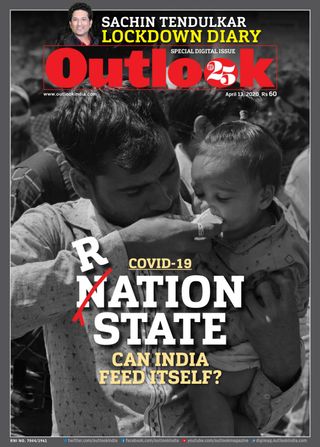

هذه القصة من طبعة April 13, 2020 من Outlook.
اشترك في Magzter GOLD للوصول إلى آلاف القصص المتميزة المنسقة، وأكثر من 9000 مجلة وصحيفة.
هل أنت مشترك بالفعل؟ تسجيل الدخول
المزيد من القصص من Outlook

Outlook
The Big Blind Spot
Caste boundaries still shape social relations in Tamil Nadu-a state long rooted in self-respect politics

8 mins
December 11, 2025

Outlook
Jat Yamla Pagla Deewana
Dharmendra's tenderness revealed itself without any threats to his masculinity. He adapted himself throughout his 65-year-long career as both a product and creature of the times he lived through
5 mins
December 11, 2025

Outlook
Fairytale of a Fallow Land
Hope Bihar can once again be that impossibly noisy village in Phanishwar Nath Renu's Parti Parikatha-divided, yes, but still capable of insisting that rights are not favours and development is more than a slogan shouted from a stage
14 mins
December 11, 2025

Outlook
The Lesser Daughters of the Goddess
The Dravidian movement waged an ideological war against the devadasi system. As former devadasis lead a new wave of resistance, the practice is quietly sustained by caste, poverty, superstition and inherited ritual
2 mins
December 11, 2025

Outlook
The Meaning of Mariadhai
After a hundred years, what has happened to the idea of self-respect in contemporary Tamil society?
5 mins
December 11, 2025

Outlook
When the State is the Killer
The war on drugs continues to be a war on the poor
5 mins
December 11, 2025

Outlook
We Are Intellectuals
A senior law officer argued in the Supreme Court that \"intellectuals\" could be more dangerous than \"ground-level terrorists\"
5 mins
December 11, 2025

Outlook
An Equal Stage
The Dravidian Movement used novels, plays, films and even politics to spread its ideology
12 mins
December 11, 2025
Outlook
The Dignity in Self-Respect
How Periyar and the Self-Respect Movement took shape in Tamil Nadu and why the state has done better than the rest of the country on many social, civil and public parameters
5 mins
December 11, 2025

Outlook
When Sukumaar Met Elakkiya
Self-respect marriage remains a force of socio-political change even a century later
7 mins
December 11, 2025
Translate
Change font size