يحاول ذهب - حر
Major Specimen Localities, Part IV: Copper From Cornwall To Upper Michigan
October 2017
|Rock&Gem Magazine
This is a superb example of very well crystallized native copper from Michigan’s Upper Peninsula.

German silver miners were brought to Cornwall, England, to train farmers in the art of mining in the 1600s. I doubt they realized that the skills they taught to Cornish miners would spread all over the world. Using huge, steam-powered pumps to dewater mines and safe fuses to ignite gunpowder, Cornish miners—we call them Cousin Jacks—developed a host of mines here in America and in Mexico, Australia, and South America. German miners were brought to Cornwall when it was realized that the southwestern part of England was a very rich mineral province. Initial mining simply dug out the veins of copper, tin, lead, iron and arsenic that could be seen in the exposed cliffs overlooking the Atlantic Ocean.
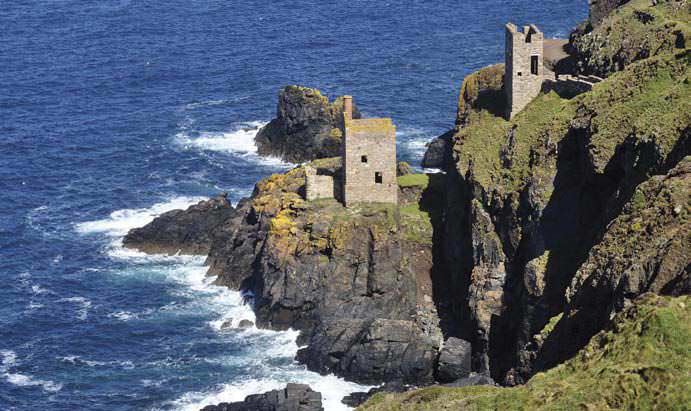
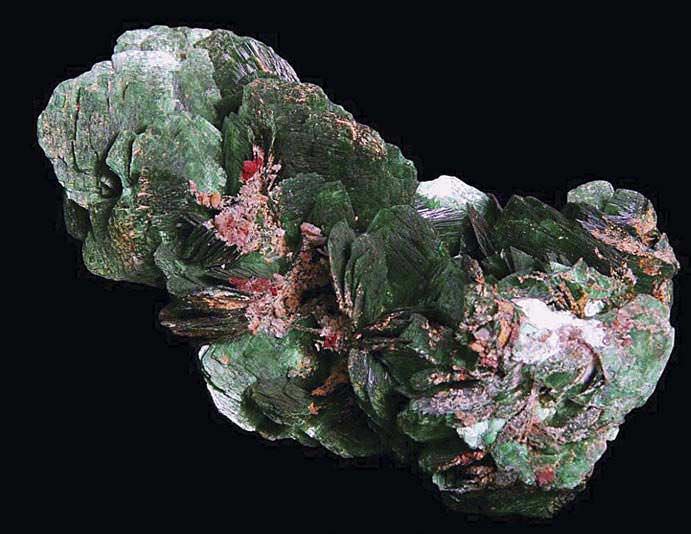
By the 18th century, dozens of mine shafts had been sunk in Cornwall and neighboring Devon following these metal veins, which were rich in mineral species. These were not the usual copper species like azurite and malachite, but copper joined with arsenic and iron and lead to create a suite of minerals that included some new species.
England is an island nation and depends on a huge fleet of ships—wooden ships, in those days—to supply the nation with goods from all over the world and to protect the country from invasion. This was a time of worldwide exploration and colonization, and sailing ships were the means of doing it. The problem with wooden ships is that the wood has to be protected from creatures that burrow into it and weaken it. Enter sheets of copper, which were used to sheath the hulls for protection.

هذه القصة من طبعة October 2017 من Rock&Gem Magazine.
اشترك في Magzter GOLD للوصول إلى آلاف القصص المتميزة المنسقة، وأكثر من 9000 مجلة وصحيفة.
هل أنت مشترك بالفعل؟ تسجيل الدخول
المزيد من القصص من Rock&Gem Magazine
Rock&Gem Magazine
A New Amber Locality Fills a Gap
A sandstone quarry in central Ecuador has yielded the first significant deposit of Mesozoic amber from South America.

1 min
January / February 2026
Rock&Gem Magazine
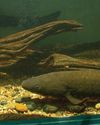
Did "Left-Handed" Fish Leave Water Earlier than Thought?
Fossil evidence suggests that fish (or \"fishapods\") dragged themselves onto land during the middle Devonian Period.
1 min
January / February 2026

Rock&Gem Magazine
"Lab Quakes” Produce Surprising Results
When faults let loose and earthquakes result, the main effect we mortals experience is the violent shaking.
1 min
January / February 2026
Rock&Gem Magazine
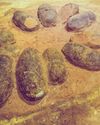
This Egg is No Spring Chicken
How to date a dino egg
1 min
January / February 2026
Rock&Gem Magazine
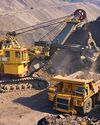
Have we Already Mined the Critical Minerals We Need
Then why are we throwing them away?!
1 min
January / February 2026
Rock&Gem Magazine
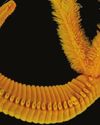
One Toxic Worm
A critter that creates & tolerates orpiment!
1 min
January / February 2026
Rock&Gem Magazine
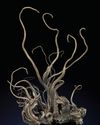
ROCK & GEM FIELD GUIDE: Silver
Silver (Ag) is a native element and one of Earth's most prized precious metals.
2 mins
January / February 2026
Rock&Gem Magazine
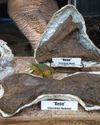
DINOSAURS OF THE HELL CREEK MUSEUM
In the Badlands of South Dakota, just outside the small town of Belle Fourche—pronounced “Bell Foosh”—a new attraction has taken shape that every dinosaur enthusiast should see. The Dinosaurs of the Hell Creek Museum is part hands-on exhibit, part science center and part active research lab.
3 mins
January / February 2026
Rock&Gem Magazine
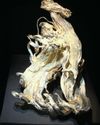
The Lost Twins of Kongsberg
A Silver Story Resurfaced
3 mins
January / February 2026
Rock&Gem Magazine
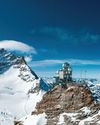
Switzerland's ICE PALACE
Walk Inside a Glacier at The Top of Europe
7 mins
January / February 2026
Translate
Change font size