يحاول ذهب - حر
Save the Easter Bunny
April 2022
|BBC Countryfile Magazine
Baby rabbits nibbling at meadow edges make endearing scenes across lowland Britain, or they did until recent years. Our rabbit population is under threat – so much so that conservationists are building ‘hotels’ to protect the species, reports Amy-Jane Beer

Our lane is bunny central. Arriving after dusk, you will almost always see between one and two dozen lolloping, furry forms in the space of 100 metres. They are regulars in the garden, and one morning I came down to my study to find a youngster camped under a bookcase.
Not everyone is a fan – farmers, foresters and horticulturists object to thievery – but at this time of year, only the stoniest heart can fail to soften at the sight of pompom babies (known as kits or kittens) relishing their first experience of sunshine: stubby ears pricked, noses twitching, eyes wide.

Not only are rabbits survivors and opportunists with complex societies and a famously fecund reproductive strategy evolved to counter heavy predation, but our countryside and culture would not be the same without them. Yet their numbers are dramatically down in many areas of the UK. Could they become a rare sight?

Our resident wild rabbits are not native, prehistoric populations having died out before Britain was islanded by rising seas. Rabbits were introduced more than once– first by the Romans, who kept them captive, and then in much greater numbers in the 12th century. Originally farmed on offshore islands or in enclosures known as warrens or coneygarths, they subsequently escaped or were released to populate the wider countryside. It seems they remained relatively scarce in the wild until the late 1700s, when intensification of agriculture created much easier conditions for them. By the early to mid-20th century, the population had become pestilential.
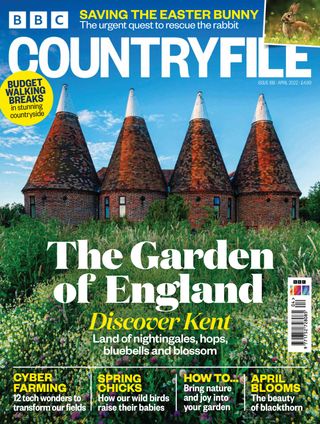

هذه القصة من طبعة April 2022 من BBC Countryfile Magazine.
اشترك في Magzter GOLD للوصول إلى آلاف القصص المتميزة المنسقة، وأكثر من 9000 مجلة وصحيفة.
هل أنت مشترك بالفعل؟ تسجيل الدخول
المزيد من القصص من BBC Countryfile Magazine

BBC Countryfile Magazine
Manors and meadows
This December marks 250 years since Jane Austen's birth. To celebrate, Jack Watkins ambles around Chawton, where the writer penned novels that changed fiction forever

7 mins
December 2025

BBC Countryfile Magazine
TOP 10 ROYAL RESIDENCES
Castles, palaces and stately homes open a window into the history and private lives of the British monarchy
9 mins
December 2025

BBC Countryfile Magazine
Your countryside
HAVE YOUR SAY ON RURAL ISSUES
1 mins
December 2025

BBC Countryfile Magazine
Community spirit
Rural pubs across Britain are closing at an alarming rate - but local people are fighting back to save inns that have been at the hearts of their villages for centuries. Vivienne Crow orders a pint
4 mins
December 2025

BBC Countryfile Magazine
Gift ideas for nature lovers
Find inspirational and thoughtful presents for all the family in our pick of top outdoor gear and a round-up of this year's best nature and wildlife books
2 mins
December 2025
BBC Countryfile Magazine
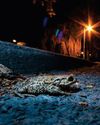
Toad numbers are in freefall.It's in our power to save them
After becoming engaged at Christmas in 1998, my new fiancé and I were confronted by an enormous toad on the way to meet the vicar.
2 mins
December 2025

BBC Countryfile Magazine
Conquer fell running
Infamously tough yet famously friendly, the sport of fell running will take your fitness to new heights amid the wildest landscapes. Here's our beginners' guide
3 mins
December 2025
BBC Countryfile Magazine
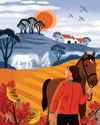
A glorious haunting
They lived in the same village and shared the same dreams – just 60 years apart.
6 mins
December 2025

BBC Countryfile Magazine
The big questions answered
Across the UK, but particularly in the southeast of England, giant and featureless buildings are springing up.
13 mins
December 2025
BBC Countryfile Magazine
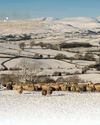
Away in a manger
While most of us down tools and pick up the mince pies, a farmer's work doesn't stop for the festive break.
5 mins
December 2025
Translate
Change font size