
استمتع بـUnlimited مع Magzter GOLD
احصل على وصول غير محدود إلى أكثر من 9000 مجلة وصحيفة وقصة مميزة مقابل
يحاول ذهب - حر
Jatoba
February - March 2022
|Woodcraft Magazine
"Pretty, but tough and ornery"

Is it pronounced “Ja”toba as in John, or “Ha”toba as in Havana? It’s hard to get a definitive answer, though you’ll find advocates on both sides of the issue. The wood was dubbed Brazilian cherry because it sort of resembles the deep red stain many cabinetmakers use to finish their “cherry” products. This isn’t to say that the wood isn’t beautiful. It runs from a rich orangish-brown to russet. It darkens with age and finishes to a deep reddish-brown, with occasional golden highlights. In addition to its good looks, the wood is quite hard, dense, stiff, and naturally resistant to rot and insect damage. This makes it a good choice for projects where strength and durability are important.
Where the wood comes from
Jatoba (Hymenaea courbaril) grows from southern Mexico through South America and the Caribbean. Most of the wood imported into the U.S. comes from Brazil. The trees are plentiful and can reach 125' with 6' diameter trunks. The first branches are often 50' or more up, providing straight, clear lumber. Jatoba is not listed on the CITES or IUCN Red List and is considered a species of least concern.
History in woodworking
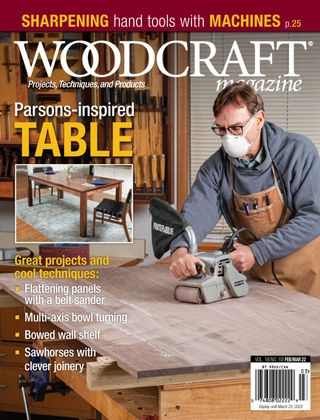

هذه القصة من طبعة February - March 2022 من Woodcraft Magazine.
اشترك في Magzter GOLD للوصول إلى آلاف القصص المتميزة المنسقة، وأكثر من 9000 مجلة وصحيفة.
هل أنت مشترك بالفعل؟ تسجيل الدخول
المزيد من القصص من Woodcraft Magazine
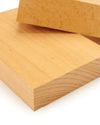
Woodcraft Magazine
Beech
Plain looks, but a solid performer

4 mins
August - September 2023
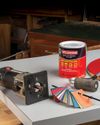
Woodcraft Magazine
Working with PLASTIC LAMINATE
Adding a durable, smooth, and colorful surface to your work
5 mins
August - September 2023
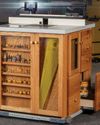
Woodcraft Magazine
High-Tech ROUTER TABLE
A state-of-the-art shop essential
6 mins
August - September 2023

Woodcraft Magazine
Albers-Inspired NESTING TABLES
A colorful array of Bauhaus utility
5 mins
August - September 2023

Woodcraft Magazine
Desktop ORGANIZERS
Mini modules for your modern workspace
4 mins
August - September 2023

Woodcraft Magazine
Joiner's MALLET
A hard-hitting shop hammer
3 mins
August - September 2023
Woodcraft Magazine
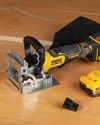
Battery-backed biscuiting
DeWalt 20V Max XR Biscuit Joiner
3 mins
June - July 2023
Woodcraft Magazine
Crosscut SLED
A basic build of a crucial table saw accessory
6 mins
June - July 2023

Woodcraft Magazine
Power-carving BOWLS
Tools and techniques for sculpting
2 mins
June - July 2023

Woodcraft Magazine
Library STEPS
Mitered box joints give rise to an updated classic
5 mins
June - July 2023
Translate
Change font size