يحاول ذهب - حر
Why do we like to be scared?
October 2016
|Real Simple
Margee Kerr, Ph.D., a sociologist and the author of Scream: Chilling Adventures in the Science of Fear, explains what we get out of haunted houses, spooky movies, and things that go bump in the night.

So what’s your general theory?
Scaring ourselves is a way of hijacking our threat response and experiencing heightened emotion. Think of a child popping out from behind a door to frighten her mom. Tapping into the startle response is an easy way to feel a thrill. Whenever we mess with our body’s equilibrium (like on a roller coaster), it brings that same sort of excitement.
But it’s not fun for everyone, right?
No. Research has found that there are big influences in childhood development and exposure that may affect some people’s experience of stress and joy. If, for example, your first experience watching a horror flick was traumatic, you may not enjoy it later on in life. But the studies also found that there are genetic differences. People with certain dopamine genetic expressions tend to be more thrill-seeking.
Is there a difference between fear of real danger and the fear we experience in, say, a theme-park haunted house?
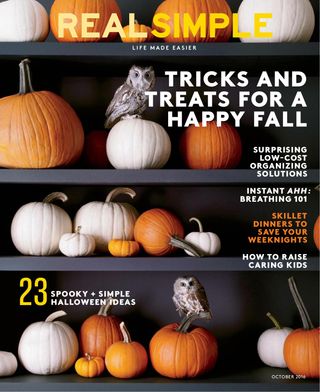

هذه القصة من طبعة October 2016 من Real Simple.
اشترك في Magzter GOLD للوصول إلى آلاف القصص المتميزة المنسقة، وأكثر من 9000 مجلة وصحيفة.
هل أنت مشترك بالفعل؟ تسجيل الدخول
المزيد من القصص من Real Simple

Real Simple
SLEEPER HITS
WE ASKED ALL KINDS OF SNOOZERS—THE DEAD-TO-THE-WORLD ONES AND THE TOSSERS AND TURNERS—TO TELL US ABOUT THE THINGS THEY CAN’T POSSIBLY SLEEP WITHOUT. THESE ARE THE DREAMY WINNERS THAT CAME UP AGAIN AND AGAIN.

4 mins
February / March 2026
Real Simple
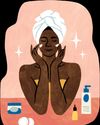
How to Optimize Your Skin Care Routine
These science-backed tips will help you put your best face forward.
3 mins
February / March 2026

Real Simple
What's the Mattering?
It’s the basic human need to feel valued; it’s also the opportunity to add value. Jennifer Breheny Wallace, author of the wildly popular book Never Enough, is here to elaborate.
3 mins
February / March 2026
Real Simple
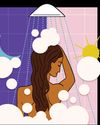
When is the best time to shower?
The answer comes down to what matters most to you.
2 mins
February / March 2026

Real Simple
A Drink & A Bite
Whip up a cocktail from one of our favorite restaurants, add a dip from a fun new cookbook, and you’ve got yourself a party.
1 mins
February / March 2026

Real Simple
5 Easy Dinners
Preheat oven to broil with rack about 5 inches from heat source
5 mins
February / March 2026

Real Simple
How to Handle It
Experts weigh in with advice for your social dilemmas.
4 mins
February / March 2026
Real Simple
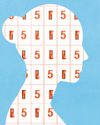
What It Feels Like to Have OCD
A busy mom (who asked to remain anonymous) reflects on living with obsessive-compulsive disorder—and overcoming her darkest days.
7 mins
February / March 2026

Real Simple
Doctor's Orders
Do as they say! Experts in all sorts of specialties give their absolute best advice for a long, healthy life.
6 mins
February / March 2026

Real Simple
Room for Improvement
When it comes to renovating our homes, we can all do a little better. Ideally, trashing less and saving more. This story can help.
8 mins
February / March 2026
Translate
Change font size