يحاول ذهب - حر
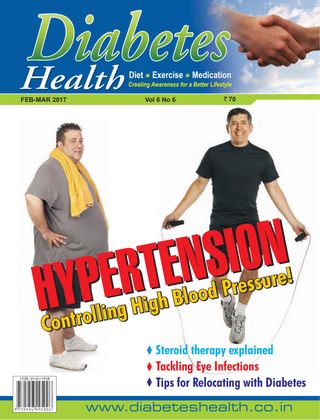
Steroid therapy and Diabetes
February - March 2017
|Diabetes Health
Dr Kevin Yuen explains how steroid use affects your health in conversation with Dr Suganthi Kumaran.
-

What are steroids?
Steroids are man-made drugs that closely resemble cortisol, a hormone that the adrenal glands produce naturally. Steroids are extensively used in almost every sub-specialty of medicine and they work by decreasing inflammation and reducing the activity of the immune system. Inflammation is a process in which the body's white blood cells and chemicals can protect against infection and foreign substances such as bacteria and viruses.
In certain diseases, however, the body's defence system (immune system) doesn't function properly. This might cause inflammation to work against the body's tissues and cause damage. Steroids reduce the production of chemicals that cause inflammation. This helps to keep tissue damage as low as possible. Steroids also reduce the activity of the immune system by affecting the way white blood cells work.
Which are the commonly prescribed steroids?
Commonly prescribed steroids include hydrocortisone, prednisone, prednisolone, betamethasone, deflazacort, methylprednisolone, dexamethasone and fludrocortisone. Prednisone is the most commonly prescribed type of steroid.
How is steroid therapy administered?
Steroid therapy can be administered in a variety of ways, i.e. as a pill (orally) or delivering directly into a vein (intravenously) or via muscle (intramuscularly) or joint injections or skin creams or eye drops or ear drops. When given orally, intravenously and intramuscularly, the steroids can circulate through the bloodstream to various body sites and this usually aggravates the side-effects.
What illnesses are treated with steroids?

هذه القصة من طبعة February - March 2017 من Diabetes Health.
اشترك في Magzter GOLD للوصول إلى آلاف القصص المتميزة المنسقة، وأكثر من 9000 مجلة وصحيفة.
هل أنت مشترك بالفعل؟ تسجيل الدخول
Translate
Change font size