
استمتع بـUnlimited مع Magzter GOLD
احصل على وصول غير محدود إلى أكثر من 9000 مجلة وصحيفة وقصة مميزة مقابل
يحاول ذهب - حر
Fashion's AI future
March 2020
|Wallpaper
Harnessing the seemingly unlimited powers of artificial intelligence could be key to the industry’s success in the next decade
-

Data as much as design now drives the fashion industry. E-commerce – though still less significant in pure sales terms than bricks-and-mortar stores – generates an astonishing amount of information about what we buy, where we buy it, or what we looked at before we bought it (even the 75 per cent of possible sales left abandoned in digital shopping carts is a useful indicator of intent).
The industry has decided that these huge streams of data can be crunched and sifted so that consumers can be more precisely targeted, teased and tempted. Data analytics is the new engine of desire, and artificial intelligence (AI) and machine learning promise pattern-hunting and prediction making of a far higher order. AI is also, of course, threatening to automate away all manner of professions. The creative industries, fashion included, are not immune to the threat. McKinsey’s ‘The State of Fashion’ 2018 report suggested that 20 to 30 per cent of jobs currently done by fashion designers could eventually be automated.
Pulling in and analysing sales and search data, as well as smartly scanning social media with new image recognition software, AI can create a kind of super-charged mood board, pumping out algorithm-informed choices for colour, cuts, fabrics, patterns and so on. It marks a fundamental shift in the relationship between the brand design team and the consumer. ‘The power of social media means trends are now more often established by consumers, as opposed to retailers and editors,’ says McKinsey’s 2019 fashion report. ‘In an era of fast-changing preferences, being able to respond to shifting demand, and tailor production accordingly, makes sense.
Fashion is seeing the start of a seismic shift where products are “pulled” into the market based on actual demand, rather than “pushed” based on best guesses and forecasts.’
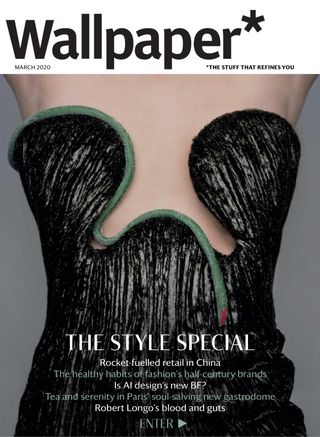

هذه القصة من طبعة March 2020 من Wallpaper.
اشترك في Magzter GOLD للوصول إلى آلاف القصص المتميزة المنسقة، وأكثر من 9000 مجلة وصحيفة.
هل أنت مشترك بالفعل؟ تسجيل الدخول
المزيد من القصص من Wallpaper

Wallpaper
REALITY SHOW
Glenn Martens, the new creative director of Maison Margiela, is bringing his own signature irreverence to the avant-garde brand, finding inspiration in moments of quotidian beauty

8 mins
March 2026

Wallpaper
BOX CLEVER
Designed by Luca Guadagnino and Stefano Baisi, Jonathan Anderson's set for his Dior womenswear debut hints at a daring new dawn
2 mins
March 2026
Wallpaper
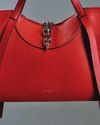
IN THE BAG
'A study in intimacy' is how Sarah Burton describes her first major bag launch for Givenchy.
1 min
March 2026

Wallpaper
TRY IT ON
Ensembles that merit a curtain call
1 mins
March 2026
Wallpaper
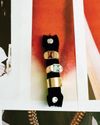
RAW TALENT
Good taste and bad taste make bold bedfellows in the chunky gold jewellery pieces of Prada womenswear director Ilaria Icardi
2 mins
March 2026
Wallpaper
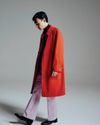
BRIGHT SIDE
Outerwear eschewed the usual hues of grey, brown and black for bold colours that befit spring.
1 min
March 2026

Wallpaper
Star turns
A series of high-profile creative directors made their debuts this season, putting the future of fashion in the spotlight
6 mins
March 2026

Wallpaper
THE BEAUTY OF...
Keep the dust bunnies at bay with a routine clean
2 mins
March 2026
Wallpaper
YOUTH CLUB
Face up to a new era of skincare treatment technology that promises you'll still look like you - just better
7 mins
March 2026

Wallpaper
STRONG SUIT
Nonchalant 90s-style tailoring, peppered with pops of colour, packs a powerful punch
2 mins
March 2026
Translate
Change font size