يحاول ذهب - حر
Rise Of The Robopets
Issue 113
|How It Works
Could the future for man’s best friend be more chrome than canine?

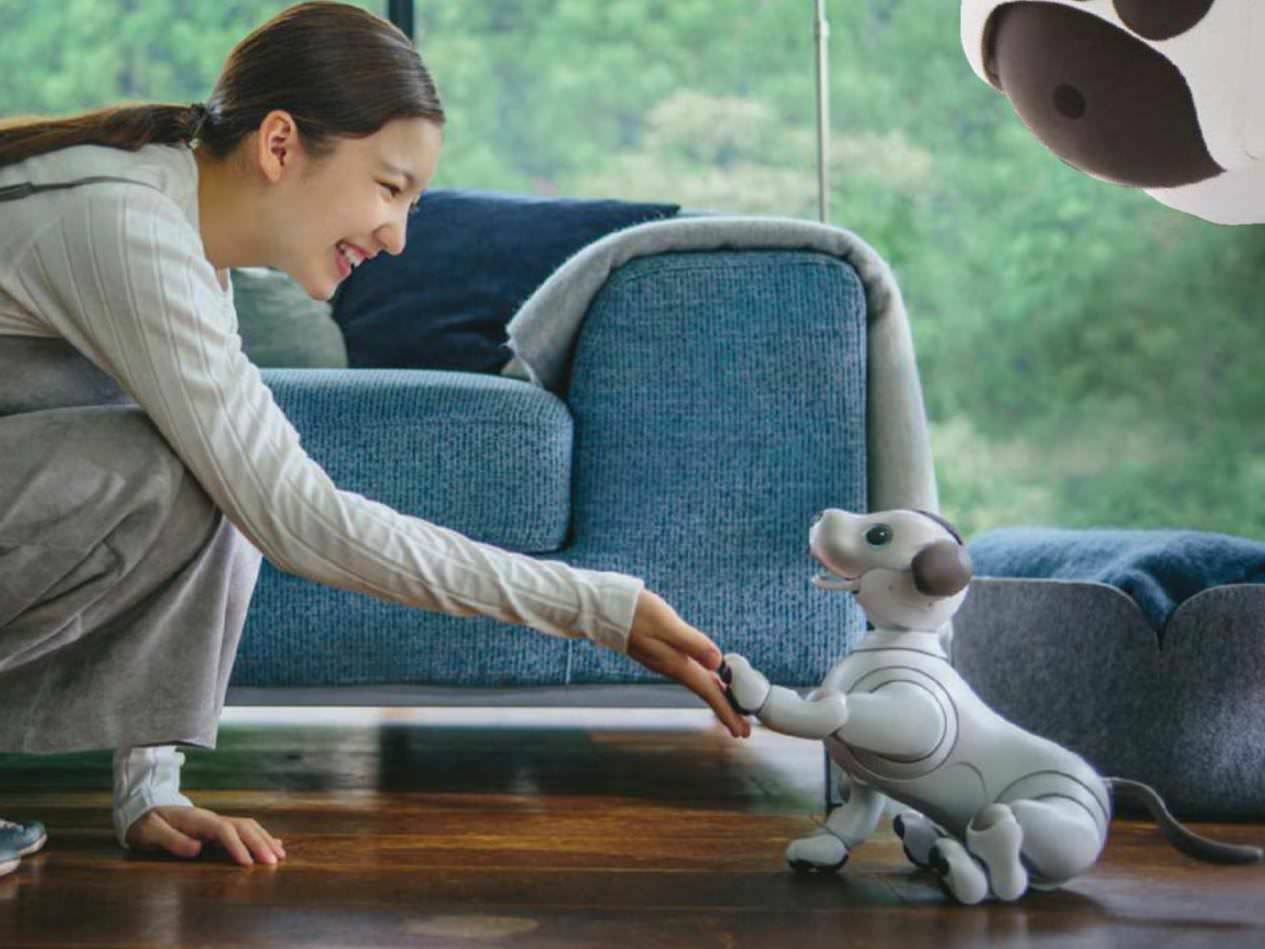
During the 1990s and early 2000s, digital or robotic pets were at the top of most children’s Christmas lists. From the pocket-sized Tamagotchi to the spirited Furby, these toys gave us a glimpse of what we could expect from developers in the future. Since our interests were piqued over 20 years ago, the idea of a robotic pet has far surpassed the realm of being just a toy, with many having become a functional and useful piece of technology. Earlier this year at the CES exhibition in Las Vegas, Sony showcased their latest recreation of the 90s hit robot dog, Aibo. Almost unrecognisable compared to its original form, the new Aibo is arguably the most technologically advanced robotic pet on the market. Jam-packed with sensory, locomotive and automated technology, this robot dog has raised an important question: Could our animal companions ever be replaced by robots?
CREATING A COMPANION
When it comes to robotic animals, there is a significant difference between what is a toy and what you could truly consider a pet. One key difference lies in their level of autonomy and accompanying artificial intelligence (AI). The majority of robopet toys of the 90s and 2000s had been programmed with limited abilities. They could give a set response to sounds or be controlled remotely by their user to follow commands. Therefore it’s hard to imagine that the unique characteristics of our beloved pets could ever be reproduced in a robotic alternative. However, with the introduction of AI to life-imitating pets, their ability to learn and develop a ‘personality’ could make them much more than just a toy.


هذه القصة من طبعة Issue 113 من How It Works.
اشترك في Magzter GOLD للوصول إلى آلاف القصص المتميزة المنسقة، وأكثر من 9000 مجلة وصحيفة.
هل أنت مشترك بالفعل؟ تسجيل الدخول
المزيد من القصص من How It Works

How It Works UK
FORMULA FAST
YOUR ULTIMATE GUIDE TO FORMULA ONE RACING

1 mins
Issue 212

How It Works UK
MY LIFE AS AN ASTHMANAUT
A CHILDREN'S BOOK ABOUT ASTHMA
1 min
Issue 212

How It Works UK
LYDIA LOVES BUGS
A SHORT AND SWEET STORY OF AN ENTHUSIASTIC ENTOMOLOGIST
1 min
Issue 212

How It Works UK
INSIDE A DRONE
Drones aren't just for the military any more. These flying marvels are now taking over our lives
3 mins
Issue 212
How It Works UK
WE CAN HEAR WITHOUT EARS
AND OTHER THINGS YOU DIDN'T KNOW WE PLANTS COULD DO
1 min
Issue 212

How It Works UK
DO GEESE GET GOOSEBUMPS?
Many animals experience a similar reaction when they feel cold or scared
2 mins
Issue 212

How It Works UK
SUBMARINES WITHOUT SAILORS
Dive into the world of autonomous submarines and discover the mission that will see one sail around the world
4 mins
Issue 212
How It Works UK
WHAT HAPPENS INSIDE A COCOON?
How certain species of insects transform from crawling caterpillars to flying moths and butterflies
3 mins
Issue 212

How It Works UK
HOW THE ROSE LOST ITS SCENT
From floral to fragranceless, there's a biological reason behind a rose's missing odour today
3 mins
Issue 212
How It Works UK
How many insects have been discovered so far?
The total number of named species is around a million.
7 mins
Issue 212
Translate
Change font size