يحاول ذهب - حر
Modified Enzyme Can Eat Plastic
Issue 112
|How It Works
Could this new discovery help solve our global plastic problem?
-

Scientists from the University of Portsmouth, UK, and the US Department of Energy’s National Renewable Energy Laboratory have engineered an enzyme that can digest some of the most common and polluting plastics.
Since its rise in popularity in the 1950s, we have produced about 8.3 billion metric tons of plastic. Polyethene terephthalate (PET) is just one of many plastics and takes hundreds of years to degrade, meaning this enzyme could be the answer to a major environmental problem. The enzyme, known as PETase, was recently discovered to naturally digest PET. While testing and 3D modelling the enzyme, the team unintentionally engineered the PETase to break down the plastic at a much faster rate than it would naturally.


هذه القصة من طبعة Issue 112 من How It Works.
اشترك في Magzter GOLD للوصول إلى آلاف القصص المتميزة المنسقة، وأكثر من 9000 مجلة وصحيفة.
هل أنت مشترك بالفعل؟ تسجيل الدخول
المزيد من القصص من How It Works

How It Works UK
FORMULA FAST
YOUR ULTIMATE GUIDE TO FORMULA ONE RACING

1 mins
Issue 212

How It Works UK
MY LIFE AS AN ASTHMANAUT
A CHILDREN'S BOOK ABOUT ASTHMA
1 min
Issue 212

How It Works UK
LYDIA LOVES BUGS
A SHORT AND SWEET STORY OF AN ENTHUSIASTIC ENTOMOLOGIST
1 min
Issue 212

How It Works UK
INSIDE A DRONE
Drones aren't just for the military any more. These flying marvels are now taking over our lives
3 mins
Issue 212

How It Works UK
WE CAN HEAR WITHOUT EARS
AND OTHER THINGS YOU DIDN'T KNOW WE PLANTS COULD DO
1 min
Issue 212

How It Works UK
DO GEESE GET GOOSEBUMPS?
Many animals experience a similar reaction when they feel cold or scared
2 mins
Issue 212

How It Works UK
SUBMARINES WITHOUT SAILORS
Dive into the world of autonomous submarines and discover the mission that will see one sail around the world
4 mins
Issue 212
How It Works UK
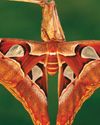
WHAT HAPPENS INSIDE A COCOON?
How certain species of insects transform from crawling caterpillars to flying moths and butterflies
3 mins
Issue 212

How It Works UK
HOW THE ROSE LOST ITS SCENT
From floral to fragranceless, there's a biological reason behind a rose's missing odour today
3 mins
Issue 212
How It Works UK
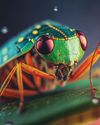
How many insects have been discovered so far?
The total number of named species is around a million.
7 mins
Issue 212
Translate
Change font size