
استمتع بـUnlimited مع Magzter GOLD
احصل على وصول غير محدود إلى أكثر من 9000 مجلة وصحيفة وقصة مميزة مقابل
يحاول ذهب - حر
TRENDING - TIE AND DYE!
December 2020
|Textile Value Chain
Tie and dye is a technique where colour or dye is applied through various methods but are also resisted or stopped from entering special parts of the material or fabric. For example a rubber band or a thread is tied around a fabric tightly that nothing enters it; then after immersing the fabric in the dye bath the colour does not penetrates or stamps over the area which results in designs and unique patterns.

Intern at TVC P.G Student, Department of Textile Science and Apparel Design SNDT Women’s University
What is Tie and dye?
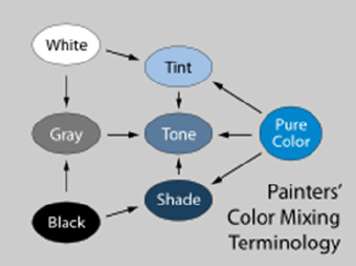
Before we jump into tie and dyeing, let us take a look at some basic concepts. Everything we see has hues, tints, tones and shades. Wondering what did you just read?
It is all the dimensions of colour and we use colours to make things unique, decorative and long lasting. Tie and dye is one of the uniquely beautiful techniques we employ to decorate fabric with long lasting effects and unique colours.
Hues are the names of the colours we see like blue, red, green, and yellow and so on. Tints are the colours in their lighter form. Similarly tones are the colours in greyish forms and shades are the colours in their darker form. For example, Pink is a tint of red in its lighter form and brown is a mixture of orange red and yellow in darker form. So now as we know what colours are and what they do let’s learn about what are dyes and what is tie and dye. Dyes are colours in the form or pigments and chemicals that are used to improve or brighten or darken the colour of the fabric.

هذه القصة من طبعة December 2020 من Textile Value Chain.
اشترك في Magzter GOLD للوصول إلى آلاف القصص المتميزة المنسقة، وأكثر من 9000 مجلة وصحيفة.
هل أنت مشترك بالفعل؟ تسجيل الدخول
المزيد من القصص من Textile Value Chain

Textile Value Chain
The New Age of Men's Tailoring: From Bespoke to Hybrid Models
Part 1 of the Series: The Evolving World of Men's Tailored Wear

4 mins
January 2026

Textile Value Chain
The Textile Landscape of 2025: A Year of Transformation
Navigating Policy Reforms, Trade Agreements, and Global Events
5 mins
January 2026

Textile Value Chain
Recycled Fibres vs Virgin Fibres: The Real Cost, Footprint & Business Opportunity
For decades, the textile industry asked only one question when choosing raw material:
3 mins
January 2026

Textile Value Chain
2025 in Perspective: A Stronger, Cleaner, Smarter Future for Textiles
The year 2025 reminded the textile and apparel sector that resilience now matters more than pace.
5 mins
January 2026
Textile Value Chain
Heimtextil as a Working lab for Sutlej and its Customers
When the global home textiles industry gathers in Frankfurt this January, Sutlej Textiles is approaching Heimtextil with a clear intent: to treat the fair less as a product parade and more as a live development lab with its buyers and partners.
4 mins
January 2026

Textile Value Chain
Weaving Heritage into Future: A Conversation with Ms Roop Rashi Mahapatra
In an era where fast fashion dominates the global textile landscape, Khadi stands as a timeless symbol of India's heritage, sustainability, and self-reliance.
11 mins
January 2026

Textile Value Chain
Home Textiles: Ever-growing Market to Evergreen Product Source
Indian Home textiles have always enjoyed a special market position, and demand continues to increase, capturing a premium to the budgeted market across different markets, but with one constant hunger for extraordinary design, a super comfortable feel, and the appeal of sophistication, along with changing market dynamics.
4 mins
January 2026

Textile Value Chain
The Velvet Revolution: How This Timeless Fabric is Redefining Modern Textiles
When you run your hand across velvet, something happens.
3 mins
January 2026

Textile Value Chain
SPGPrints Achieves Landmark Success at ITMA ASIA 2025 With Transformative Textile Printing Technology and Key Order Closures
SPGPrints, the global leader in innovative textile printing solutions, announced an overwhelmingly successful participation in ITMA ASIA 2025 at the Singapore Expo.
2 mins
January 2026
Textile Value Chain
Development of Home Textile Products from Post-Consumer Textile Waste
With the growing concern over textile waste and its environmental impact, sustainable approaches for fabric reuse are urgently needed.
5 mins
January 2026
Translate
Change font size