يحاول ذهب - حر
Borrowing Billions To Buy Stock, Not Invest
August 12, 2019
|Bloomberg Businessweek
The long-standing link between corporate debt and capital expenditures has broken down.

When the Federal Reserve cuts interest rates, making it cheaper to borrow, it’s supposed to deliver a direct boost to the economy. But one key part of that machinery has broken down.
Business investment used to rise when U.S. companies took on more debt—because most companies borrowed to add capacity. Nowadays, they’re likelier to funnel the money to shareholders.
Investment is stuck at low levels by historical standards. President Donald Trump’s reduction in corporate taxes hasn’t changed the pattern. Neither has a decade of low interest rates, even before the Fed’s quarter-point cut on July 31.
It’s not that business stopped borrowing. As a share of gross domestic product, corporate debt has climbed to a record. What’s all but vanished is the correlation between how much companies borrow and how much they invest.
That long-standing relationship endured, albeit weakened, through the 1980s and ’90s as companies focused increasingly on driving shareholder value, says J.W. Mason, a fellow at the Roosevelt Institute in New York who’s been researching the topic. Now it’s gone, and Mason says the data suggest a different link. “If you can borrow on more favorable terms, you don’t necessarily invest more,” he says. “You might think this is an opportunity to give bigger payouts to shareholders. This is a big reason why monetary policy isn’t as effective as it used to be.”
Companies can return money to investors through share buybacks and dividends. Cash payments for acquisitions fit the category too—at least for an economist looking at the macro picture rather than at individual companies—because they’re another transaction where money goes to holders of already-existing assets.
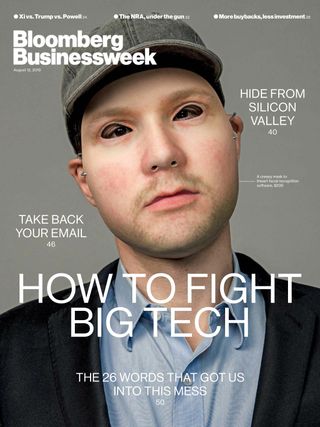

هذه القصة من طبعة August 12, 2019 من Bloomberg Businessweek.
اشترك في Magzter GOLD للوصول إلى آلاف القصص المتميزة المنسقة، وأكثر من 9000 مجلة وصحيفة.
هل أنت مشترك بالفعل؟ تسجيل الدخول
المزيد من القصص من Bloomberg Businessweek

Bloomberg Businessweek US
Instagram's Founders Say It's Time for a New Social App
The rise of AI and the fall of Twitter could create opportunities for upstarts

4 mins
March 13, 2023

Bloomberg Businessweek US
Running in Circles
A subscription running shoe program aims to fight footwear waste
3 mins
March 20 - 27, 2023

Bloomberg Businessweek US
What I Learned Working at a Hawaiien Mega-Resort
Nine wild secrets from the staff at Turtle Bay, who have to manage everyone from haughty honeymooners to go-go-dancing golfers.
10 mins
March 20 - 27, 2023

Bloomberg Businessweek US
How Noma Will Blossom In Kyoto
The best restaurant in the world just began its second pop-up in Japan. Here's what's cooking
3 mins
March 20 - 27, 2023

Bloomberg Businessweek US
The Last-Mover Problem
A startup called Sennder is trying to bring an extremely tech-resistant industry into the age of apps
11 mins
March 20 - 27, 2023

Bloomberg Businessweek US
Tick Tock, TikTok
The US thinks the Chinese-owned social media app is a major national security risk. TikTok is running out of ways to avoid a ban
12 mins
March 20 - 27, 2023

Bloomberg Businessweek US
Cleaner Clothing Dye, Made From Bacteria
A UK company produces colors with less water than conventional methods and no toxic chemicals
3 mins
March 20 - 27, 2023

Bloomberg Businessweek US
Pumping Heat in Hamburg
The German port city plans to store hot water underground and bring it up to heat homes in the winter
3 mins
March 20 - 27, 2023

Bloomberg Businessweek US
Sustainability: Calamari's Climate Edge
Squid's ability to flourish in warmer waters makes it fitting for a diet for the changing environment
4 mins
March 20 - 27, 2023

Bloomberg Businessweek US
New Money, New Problems
In Naples, an influx of wealthy is displacing out-of-towners lower-income workers
4 mins
March 20 - 27, 2023
Translate
Change font size