
استمتع بـUnlimited مع Magzter GOLD
احصل على وصول غير محدود إلى أكثر من 9000 مجلة وصحيفة وقصة مميزة مقابل
The thylacine became extinct in the 1960s Or did it?
November 2021
|BBC Wildlife
Tantalising sightings of this enigmatic Australian marsupial continue to inspire the belief that it could still be out there

In March 1982, parked in a remote area of swamp forest in northwestern Tasmania, wildlife ranger Hans Naarding was asleep in his vehicle. When he woke up at 2am, it was dark and raining heavily. Out of habit, he switched on his torch and scanned the surrounding area.
“As I swept the beam around, it came to rest on a large thylacine, standing side-on some 6-7m distant,” he later wrote. “I decided to examine the animal carefully before risking movement. It was an adult male in excellent condition with 12 black stripes on a sandy coat. Eye reflection was pale yellow. It moved only once, opening its jaw and showing its teeth.”
When Naarding reached for his camera bag after several minutes, the movement spooked the creature, and it slunk away into the undergrowth.
The encounter was kept secret while an intense search for thylacines was initiated in the surrounding area, but nothing was ever discovered. Naarding’s thylacine, it seemed, had vanished into the night.
There was just one problem with this remarkable sighting. According to the International Union for Conservation of Nature (IUCN), the world authority on rare and threatened species, the thylacine – a dog-sized predatory marsupial also known as the Tasmanian tiger – was extinct in 1982. The last known individual died in 1936 in Hobart Zoo; the last reliable sighting of a wild one dates back to 1933. The species died out sometime after the mid-1960s.
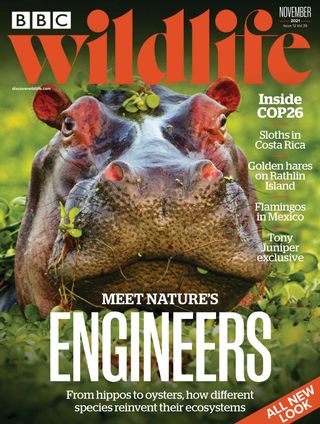

هذه القصة من طبعة November 2021 من BBC Wildlife.
اشترك في Magzter GOLD للوصول إلى آلاف القصص المتميزة المنسقة، وأكثر من 9000 مجلة وصحيفة.
هل أنت مشترك بالفعل؟ تسجيل الدخول
المزيد من القصص من BBC Wildlife
BBC Wildlife
"I was terrified the elephant would ram us"
African elephant in Kenya

2 mins
January 2026
BBC Wildlife
ALL YOU EVER NEEDED TO KNOW ABOUT THE Fennec fox
THE FENNEC FOX IS THE SMALLEST fox in the world, with a body length that can be as little as 24cm.
3 mins
January 2026
BBC Wildlife
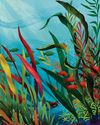
INTO THE PLASTISPHERE
A unique synthetic ecosystem is evolving in our oceans – welcome to the plastisphere
7 mins
January 2026
BBC Wildlife
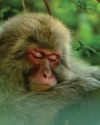
“More than half of all animal life exists in a parasitic relationship, and all life lives in symbiosis”
Our survival depends on species evolving to live together - but some relationships take dark turns
7 mins
January 2026
BBC Wildlife
Are animals able to dream?
SLEEP IS A MYSTERIOUS THING. FOR A long time, we weren't sure why we do it.
1 mins
January 2026
BBC Wildlife
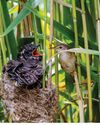
Does a cuckoo know it's a cuckoo?
ABSURD LITTLE BIRDS ACROSS THE world lay their eggs in the nests of other species, leaving the hapless parents to raise a changeling at the expense of their own offspring.
2 mins
January 2026
BBC Wildlife
Orcas killing young sharks
Juvenile great whites are easy prey for orca pod
1 mins
January 2026
BBC Wildlife
Ocean goes on tour
Acclaimed film touring the UK, backed by live orchestra and choir
1 min
January 2026
BBC Wildlife
Feisty bats hunt like lions
Winged mammals use a 'hang and wait' strategy to take down large prey
1 mins
January 2026

BBC Wildlife
SNAP-CHAT
Richard Birchett on magical merlins, wily coyotes and charging deer
2 mins
January 2026
Translate
Change font size