يحاول ذهب - حر
PARK LIFE
February 2021
|BBC Wildlife
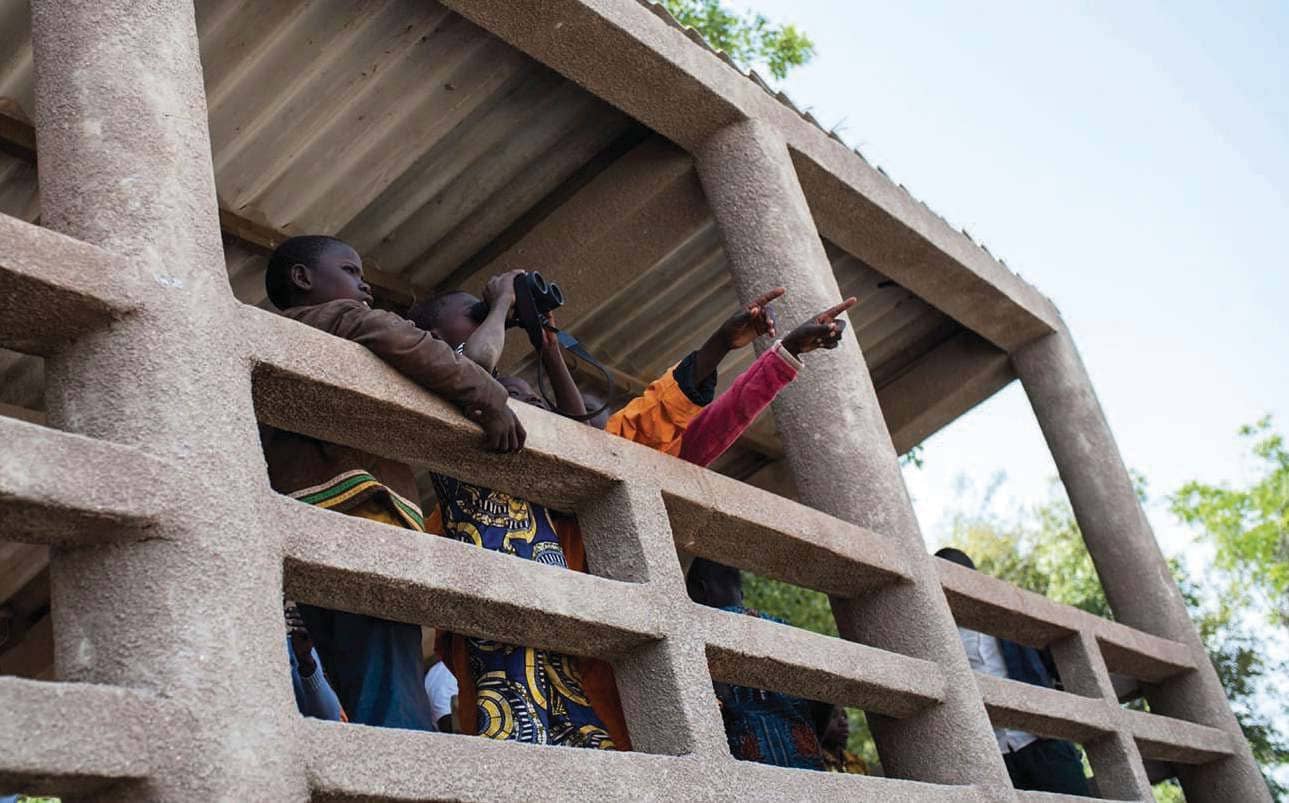
From building local schools to translocating 500 elephants, conservation organisation African Parks has led the way in protecting the continent’s precious wildlife.

Our planet is screaming at humanity to wake up and understand the consequences of its actions,” Peter Fearnhead tells me from his office in locked-down South Africa. “We can listen, or we can continue to ignore it and continue to lament those consequences. Whether it’s COVID-19, Ebola or fires in Australia, they’re all calls to action.”
Peter understands, perhaps more than most, the urgent need to protect the world’s wild places and their wildlife. He’s the CEO of African Parks (AP), a renowned non-profit conservation organisation that celebrated its 20th anniversary last year. “Protected areas are crucial,” he emphasises. “They’re the building blocks for any strategy to conserve nature.”
Over two decades, AP has gradually taken on responsibility for protecting the biodiversity of 19 national parks and reserves in 11 African countries, covering a staggering 142,000km² across the continent – an area greater than the whole of England.
AP’s portfolio is the largest and most ecologically diverse of any conservation organisation in Africa, rehabilitating precious ecosystems depleted through human encroachment, habitat loss, war, poverty and poaching for an illegal wildlife trade now worth $20 billion a year. From tropical rainforests to savannah, ocean to desert, in countries at peace or suffering under volatile unrest, AP protects wild landscapes in Angola, Benin, Central African Republic, Chad, DRC, Republic of the Congo, Malawi, Mozambique, Rwanda, Zambia and Zimbabwe.

هذه القصة من طبعة February 2021 من BBC Wildlife.
اشترك في Magzter GOLD للوصول إلى آلاف القصص المتميزة المنسقة، وأكثر من 9000 مجلة وصحيفة.
هل أنت مشترك بالفعل؟ تسجيل الدخول
المزيد من القصص من BBC Wildlife
BBC Wildlife
"I was terrified the elephant would ram us"
African elephant in Kenya

2 mins
January 2026
BBC Wildlife
ALL YOU EVER NEEDED TO KNOW ABOUT THE Fennec fox
THE FENNEC FOX IS THE SMALLEST fox in the world, with a body length that can be as little as 24cm.
3 mins
January 2026
BBC Wildlife
INTO THE PLASTISPHERE
A unique synthetic ecosystem is evolving in our oceans – welcome to the plastisphere
7 mins
January 2026
BBC Wildlife
“More than half of all animal life exists in a parasitic relationship, and all life lives in symbiosis”
Our survival depends on species evolving to live together - but some relationships take dark turns
7 mins
January 2026
BBC Wildlife
Are animals able to dream?
SLEEP IS A MYSTERIOUS THING. FOR A long time, we weren't sure why we do it.
1 mins
January 2026
BBC Wildlife
Does a cuckoo know it's a cuckoo?
ABSURD LITTLE BIRDS ACROSS THE world lay their eggs in the nests of other species, leaving the hapless parents to raise a changeling at the expense of their own offspring.
2 mins
January 2026
BBC Wildlife
Orcas killing young sharks
Juvenile great whites are easy prey for orca pod
1 mins
January 2026
BBC Wildlife
Ocean goes on tour
Acclaimed film touring the UK, backed by live orchestra and choir
1 min
January 2026
BBC Wildlife
Feisty bats hunt like lions
Winged mammals use a 'hang and wait' strategy to take down large prey
1 mins
January 2026
BBC Wildlife
SNAP-CHAT
Richard Birchett on magical merlins, wily coyotes and charging deer
2 mins
January 2026
Translate
Change font size