
استمتع بـUnlimited مع Magzter GOLD
احصل على وصول غير محدود إلى أكثر من 9000 مجلة وصحيفة وقصة مميزة مقابل
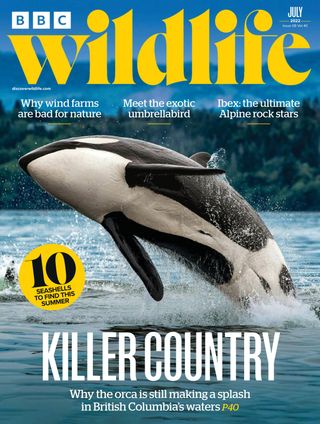
ORCAS ON THE EDGE
July 2022
|BBC Wildlife
Orcas are surviving off the coast of British Columbia, but only just. We find out what is putting these apex predators in peril.

IN SUMMER 2018, HUMANKIND experienced an unusual connection with another species. Tahlequah, an orca, was seen carrying her dead calf for 1,600km around the Salish Sea. Apparently grieving her youngster, she sacrificed feeding and compromised her own health.
Headlines filled every major news outlet and social media carried outpourings of support for Tahlequah. Orcas, particularly the Southern Resident population - the well-studied group in the eastern North Pacific to which Tahlequah belongs - were in the spotlight, highlighting their precarious survival. Having experienced two decades of recovery following the 1974 ban on capturing orcas for marine parks, with numbers increasing from 71 to 98, the population has since shrunk to 74, a result of declining prey, pollution, and disturbance from ocean traffic.
Here was an apex predator with an apparent sensitive side, struggling to flourish in what, on the surface, appears to be pristine wilderness. So, in August 2018, I went to see these iconic creatures for myself.
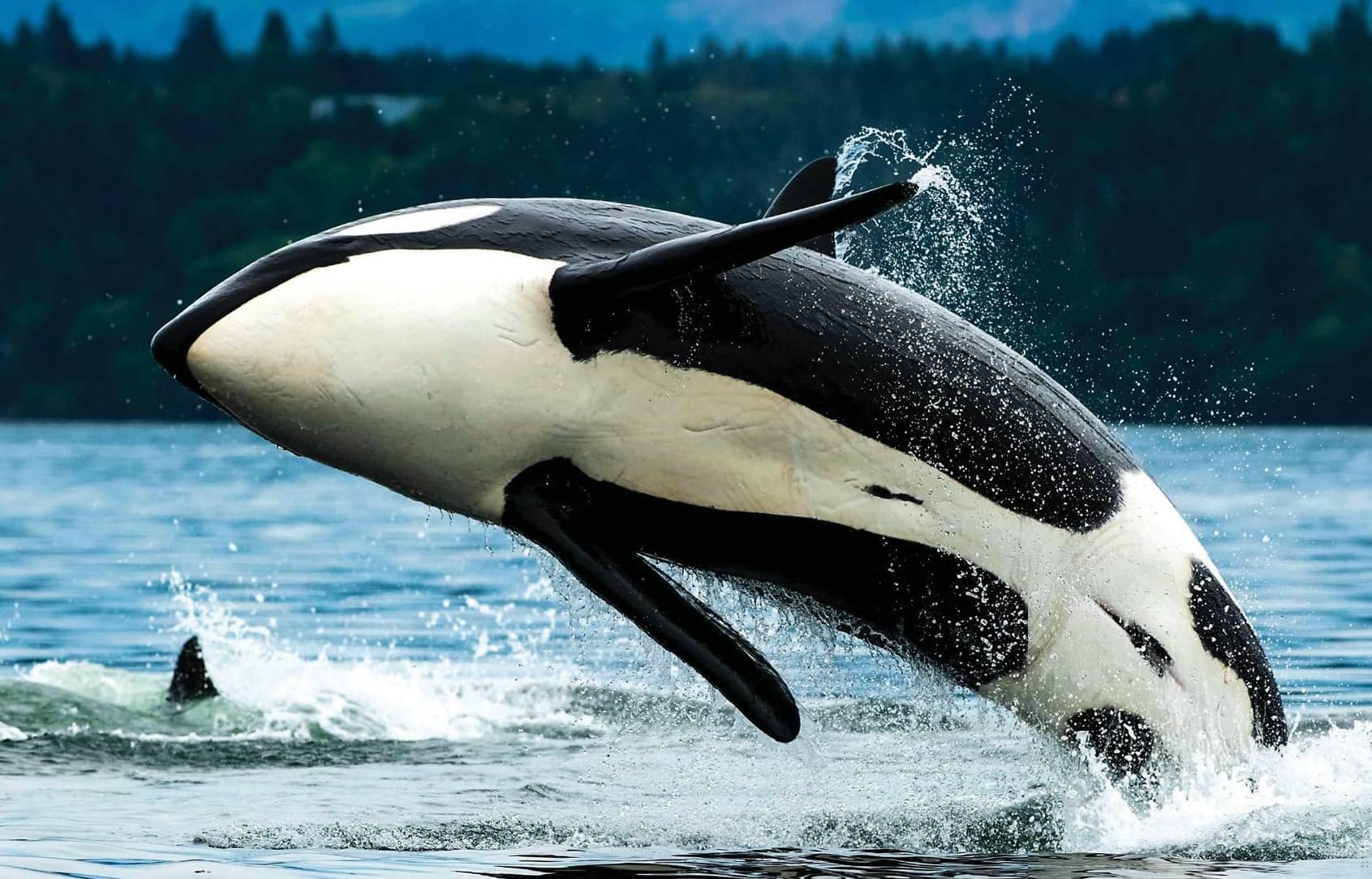
VANCOUVER ISLAND, NORTHwest Canada, is a lozenge of land that shelters the mainland from the whims of the Pacific Ocean. Nestled V in its embrace is a scattering of islands, some no larger than a sea lion's sun-lounger, that make up the Broughton Archipelago. Hanson Island is one of these, positioned strategically between the aptly named Blackfish Sound and Johnston Strait - prime orca habitat. Here, under a canopy of firs, a simple camp is my home for the next few days. I am surrounded by mountains, forest, and air so fresh it almost stings.

هذه القصة من طبعة July 2022 من BBC Wildlife.
اشترك في Magzter GOLD للوصول إلى آلاف القصص المتميزة المنسقة، وأكثر من 9000 مجلة وصحيفة.
هل أنت مشترك بالفعل؟ تسجيل الدخول
المزيد من القصص من BBC Wildlife
BBC Wildlife
"I was terrified the elephant would ram us"
African elephant in Kenya

2 mins
January 2026
BBC Wildlife
ALL YOU EVER NEEDED TO KNOW ABOUT THE Fennec fox
THE FENNEC FOX IS THE SMALLEST fox in the world, with a body length that can be as little as 24cm.
3 mins
January 2026
BBC Wildlife
INTO THE PLASTISPHERE
A unique synthetic ecosystem is evolving in our oceans – welcome to the plastisphere
7 mins
January 2026
BBC Wildlife
“More than half of all animal life exists in a parasitic relationship, and all life lives in symbiosis”
Our survival depends on species evolving to live together - but some relationships take dark turns
7 mins
January 2026
BBC Wildlife
Are animals able to dream?
SLEEP IS A MYSTERIOUS THING. FOR A long time, we weren't sure why we do it.
1 mins
January 2026
BBC Wildlife
Does a cuckoo know it's a cuckoo?
ABSURD LITTLE BIRDS ACROSS THE world lay their eggs in the nests of other species, leaving the hapless parents to raise a changeling at the expense of their own offspring.
2 mins
January 2026
BBC Wildlife
Orcas killing young sharks
Juvenile great whites are easy prey for orca pod
1 mins
January 2026
BBC Wildlife
Ocean goes on tour
Acclaimed film touring the UK, backed by live orchestra and choir
1 min
January 2026
BBC Wildlife
Feisty bats hunt like lions
Winged mammals use a 'hang and wait' strategy to take down large prey
1 mins
January 2026
BBC Wildlife
SNAP-CHAT
Richard Birchett on magical merlins, wily coyotes and charging deer
2 mins
January 2026
Translate
Change font size