استمتع بـUnlimited مع Magzter GOLD
احصل على وصول غير محدود إلى أكثر من 9000 مجلة وصحيفة وقصة مميزة مقابل
يحاول ذهب - حر
استمتع بـUnlimited مع Magzter GOLD
احصل على وصول غير محدود إلى أكثر من 9000 مجلة وصحيفة وقصة مميزة مقابل
اسرع، العرض لفترة محدودة!
0
ساعات
0
دقائق
0
ثواني
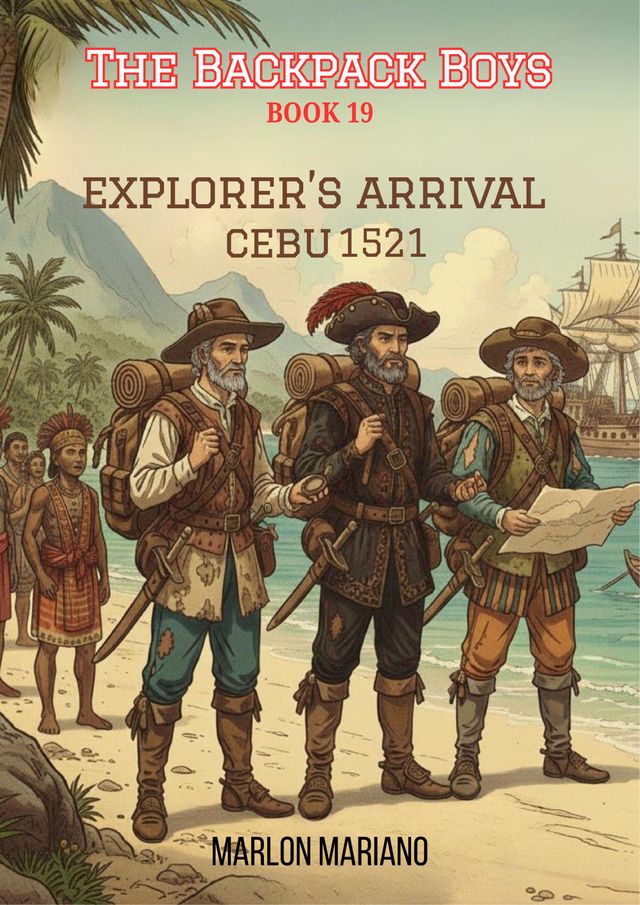
The Backpack Boys - Explorer's Arrival 1521 - Marlon Mariano
استمتع بـUnlimited مع Magzter GOLD
يقرأ The Backpack Boys - Explorer's Arrival 1521 إلى جانب أكثر من 9000 مجلة وصحيفة أخرى من خلال اشتراك واحد فقط
عرض الكتالوجاشترك فقط في The Backpack Boys - Explorer's Arrival 1521
إلغاء في أي وقت.
(لا يوجد التزامات) ⓘإذا لم تكن راضيًا عن الاشتراك، يمكنك مراسلتنا عبر البريد الإلكتروني help@magzter.com خلال 7 أيام من تاريخ بدء الاشتراك لاسترداد كامل المبلغ. نعدك بذلك! (ملاحظة: لا ينطبق على شراء عدد واحد فقط)
الاشتراك الرقمي
الوصول الفوري ⓘاشترك الآن لتبدأ القراءة فورًا على موقع Magzter، وتطبيقات iOS، وAndroid، وAmazon.
في هذا العدد
When Gabriel and Simon arrive in Cebu to work on a feature for Escapades, they believe they already know the story. Like many, they are familiar with the arrival of Ferdinand Magellan in 1521—a moment often marked as the beginning of Philippine history in textbooks.
But Cebu tells a more complicated tale.
As the two travelers move through churches, fortresses, and coastal villages, they begin to uncover a version of history shaped not only by conquest and conversion, but by choice, resistance, and memory. From the raising of the cross to the quiet shores of Mactan, they learn that Magellan’s journey was not just a story of arrival, but of misunderstanding—and that some islands refused to bow.
Blending travel writing with historical reflection, this installment of The Backpack Boys invites readers to walk where history unfolded and to question the stories we inherit. It is not a retelling of battles or heroes, but a thoughtful exploration of faith, power, and the voices often left out of the record.
Because the Philippines did not begin when it was discovered.
It simply learned that the world had been looking for it.
The Backpack Boys - Explorer's Arrival 1521 Description:
When Gabriel and Simon arrive in Cebu to work on a feature for Escapades, they believe they already know the story. Like many, they are familiar with the arrival of Ferdinand Magellan in 1521—a moment often marked as the beginning of Philippine history in textbooks.
But Cebu tells a more complicated tale.
As the two travelers move through churches, fortresses, and coastal villages, they begin to uncover a version of history shaped not only by conquest and conversion, but by choice, resistance, and memory. From the raising of the cross to the quiet shores of Mactan, they learn that Magellan’s journey was not just a story of arrival, but of misunderstanding—and that some islands refused to bow.
Blending travel writing with historical reflection, this installment of The Backpack Boys invites readers to walk where history unfolded and to question the stories we inherit. It is not a retelling of battles or heroes, but a thoughtful exploration of faith, power, and the voices often left out of the record.
Because the Philippines did not begin when it was discovered.
It simply learned that the world had been looking for it.
عناوين ذات صلة
Experience Travel and Living Magazine
Escapades!

Escapades! Asia
The Backpack Boys: The Lost Child
Escapades! Puerto Galera

Escapades! Surfing Siargao
The Backpack Boys - Echoes of A Giant's Heart
The Backpack Boys - The Evening Maiden's Promise

The Backpack Boys: Of Love and Sacrifice
The Backpack Boys: White Sand, Red Veil

The Backpack Boys: A Tale of Revolt
The Backpack Boys - The Heart of the Highland - Book 21

Escapades Europe
Escapades! Explore Bohol
The Backpack Boys: No Graves, No Goodbyes
The Backpack Boys - The Ghost of Calle Crisologo

The Backpack Boys - Letters Across The Wind
The Backpack Boys - Letters From Exile
The Backpack Boys - The Lost Galleon
The Backpack Boys - Rebel School
The Backpack Boys: Magayon
The Backpack Boys
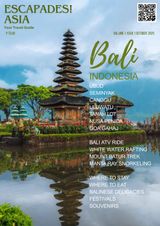
Escapades Asia - Bali, Indonesia
ASIAN Geographic
Expat Living City Guide
Jetgala Magazine

The Travel Times

The HUNT Boston
escape! Travel Guide - Australia

escape! Travel Guide - China