
Go Unlimited with Magzter GOLD
Get unlimited access to 10,000+ magazines, newspapers and Premium stories for just
Try GOLD - Free
Who invented music?
The Week Junior Science+Nature UK
|Issue 64
Singing along is fun, but when did it all begin?
-
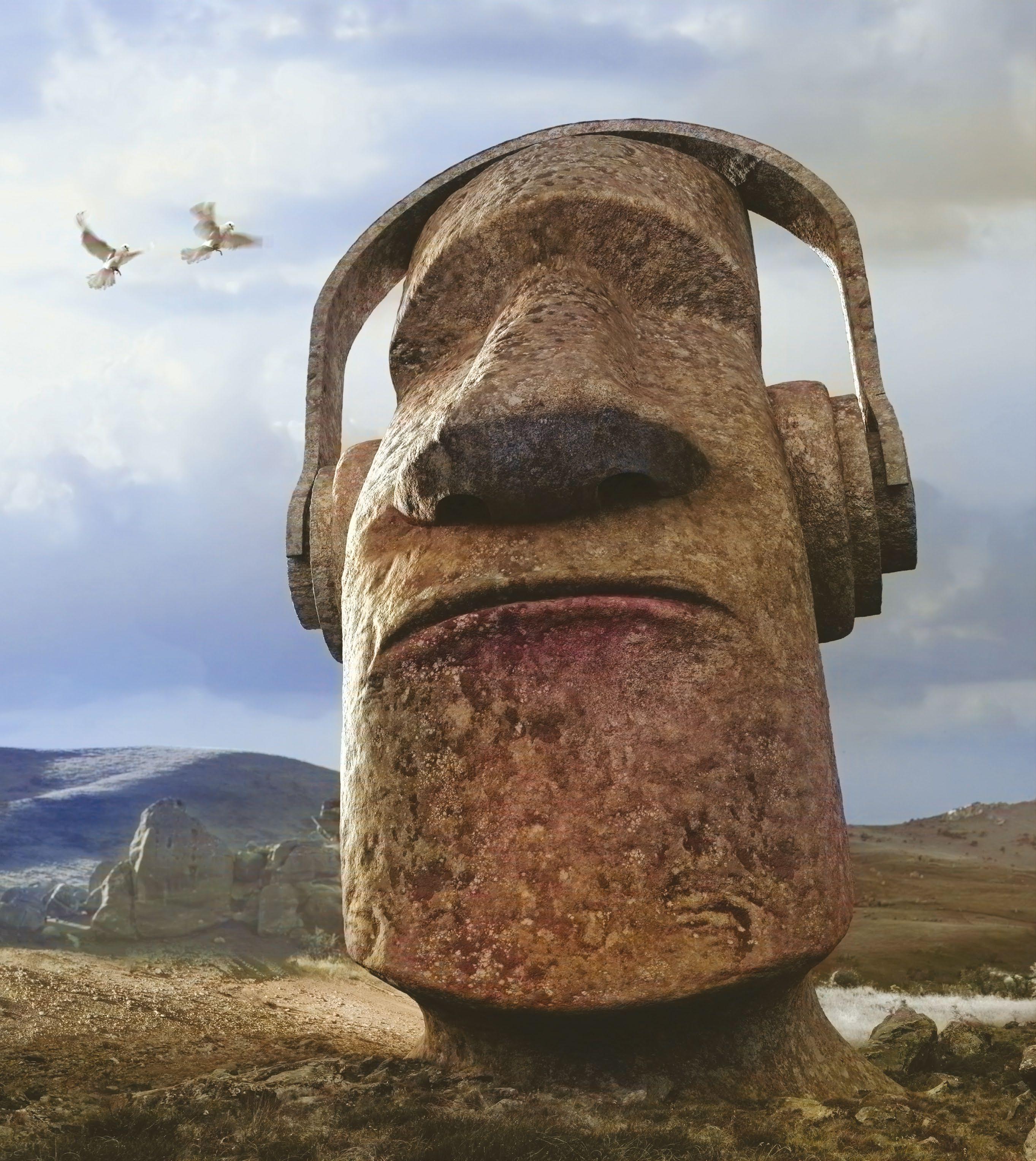
The short answer is no one knows who invented music. No historical evidence exists to say exactly who sang the first song, whistled the first tune, or made the first rhythmic sounds that resembled what people would recognise today as music. However, musicologists (someone who studies the history of music) know that it happened thousands of years ago. Artefacts (objects made by humans) and other evidence can help scientists understand how and why the ancients played music.
The earliest civilisations throughout Africa, Europe and Asia had music. Back then, many humans may have believed it was a divine creation, a gift from the gods. Indeed, gods and goddesses from many religions and mythologies are associated with music. Stories and works of art tell us that the African god Àyàn was a drummer, and the Greek god Apollo played the lyre, an ancient type of string instrument.
Sweet sounds coming down
Some scholars say singing was the first kind of musical sound. Not that people back then were crooning full-length songs. Instead, they made simpler vocal sounds – perhaps just a few notes put together. If that’s true, perhaps early humans began to speak and sing at about the same time.

This story is from the Issue 64 edition of The Week Junior Science+Nature UK.
Subscribe to Magzter GOLD to access thousands of curated premium stories, and 10,000+ magazines and newspapers.
Already a subscriber? Sign In
MORE STORIES FROM The Week Junior Science+Nature UK

The Week Junior Science+Nature UK
Make a smoothie bowl
Use left-over fruit and veg to whip up this breakfast treat.

1 min
May 2026
The Week Junior Science+Nature UK
Indian snakes travel by train
King cobras - the world's longest venomous snakes - are slithering on board trains across India, researchers have revealed.
1 min
May 2026

The Week Junior Science+Nature UK
Carr House Meadows
The UK's wildflower meadows are often brimming with life, colour and sound. As these habitats are full of plant and animal species, they are very precious.
1 min
May 2026

The Week Junior Science+Nature UK
Did dragons ever exist?
These fire-breathing monsters have been flying into stories for centuries.
2 mins
May 2026

The Week Junior Science+Nature UK
Should big species return to the UK?
Would you be happy about large animals roaming our countryside - including predators?
1 mins
May 2026

The Week Junior Science+Nature UK
SAVING CORAL REEFS
Find out how scientists, conservationists and imaging experts are joining forces to discover more about corals and bring reefs back to life.
1 mins
May 2026
The Week Junior Science+Nature UK
THE SECRET LIFE OF BEES
Step into a miniature world that quite literally buzzes with life.
1 min
May 2026
The Week Junior Science+Nature UK
Windermere Science Festival
On 9 and 10 May, Windermere Science Festival returns to Windermere Jetty Museum. Get ready for science-themed family fun, including roving robots and awesome virtual reality.
1 min
May 2026

The Week Junior Science+Nature UK
Aneeshwar Kunchala
Hear from a young TV star about his new series and his ambition to save wildlife.
3 mins
May 2026

The Week Junior Science+Nature UK
WORLD'S OLDEST COCKATIEL
Sonny, a family pet living in the US state of Illinois, has been officially recognised as the oldest of his species.
1 min
May 2026
Translate
Change font size