
Go Unlimited with Magzter GOLD
Get unlimited access to 10,000+ magazines, newspapers and Premium stories for just
Try GOLD - Free
Why do so many New Year's resolutions fail?
BBC Science Focus
|January 2025
Establishing positive new habits is hard at any time of year. But there are ways to stop your attempts ending in failure
-
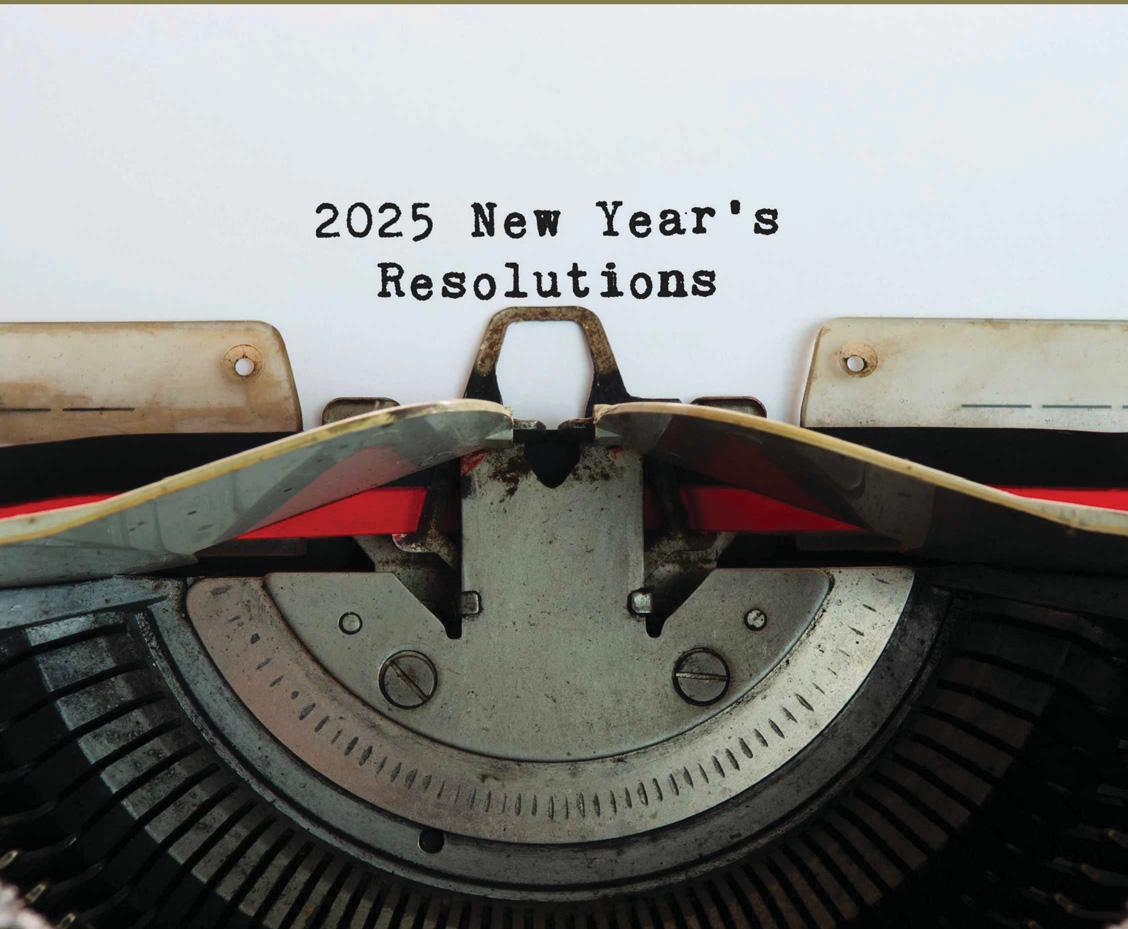
Every year millions of us dream up New Year’s resolutions in the hope of making permanent, positive changes to our lives. But a few weeks later, most of them are little more than vague memories. More often than not, we’ve back to our old routines by the end of January projects have been abandoned, promises have been broken and the resolutions we vowed we would stick to this time have been tossed on the scrapheap.
But what is it about New Year’s resolutions that makes keeping them so difficult? And what can we do to make it easier?
Well, the good news is a New Year’s resolution is just a good habit dressed up in seasonal clothing. And with a little understanding of the psychology of how habitual behaviours are formed, you can start (or restart after an earlier failed attempt) a new habit anytime, at any point in the calendar. So here are seven tips to overcome the obstacles that make establishing a new good habit so hard, whether you’re trying to do it in January, June or December...
1. BE AN EARLY BIRD
When starting something new, like a new hobby, do it as soon as possible in the day. Even if you’re not a morning person or need to take your kids to school, applying this rule is a cornerstone of lasting change for several reasons.
Navigating the trials and tribulations of daily life means that your willpower, or conscious motivational resources, such as willpower, will typically decline as the day goes on, while factors like tiredness and fatigue will increase. The later you are in the future your plans are, the less likely it is that you can predict how you’re going to feel.

This story is from the January 2025 edition of BBC Science Focus.
Subscribe to Magzter GOLD to access thousands of curated premium stories, and 10,000+ magazines and newspapers.
Already a subscriber? Sign In
MORE STORIES FROM BBC Science Focus
BBC Science Focus
HOW FISH COULD SAVE MILLIONS OF PEOPLE'S SIGHT
There's nowhere near enough donors to meet the demand for corneal transplants. A pioneering treatment that relies on fish scales could change that

3 mins
May 2026

BBC Science Focus
Your Wi-Fi is lying to you
Wi-Fi 7's giant speed claims might look impressive, but the realities of our homes – and the laws of physics – mean that real-world performance will never get close
6 mins
May 2026
BBC Science Focus
WHICH ANIMAL IS MOST LIKELY TO ESCAPE FROM THE ZOO?
Have you heard the one about the monkey and the Yorkshire pudding?
2 mins
May 2026

BBC Science Focus
THE BLACK SERVAL
The black serval (Leptailurus serval) is an unusual, melanistic version of the African serval, a medium-sized wild cat that's native to Africa.
2 mins
May 2026
BBC Science Focus
Cryosleep vs hibernation: What's the difference?
When hibernating animals, such as hedgehogs and dormice, disappear for winter, they don't freeze like the Siberian salamander.
1 mins
May 2026
BBC Science Focus
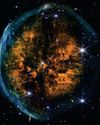
Space brain
The greatest names in science are often said to be 'big-brained', but this cosmic wonder puts them all to shame. Nebula PMR 1 - otherwise known as the 'Exposed Cranium' nebula for its distinctive shape - measures around 3.2 light-years across.
1 min
May 2026
BBC Science Focus
Your most draining relationships are taking years off your life, study suggests
Difficult people don't just zap your energy - they may also accelerate your biological ageing
4 mins
May 2026

BBC Science Focus
DOES EARTH HAVE A HEARTBEAT?
Move over, Ringo Starr.
1 mins
May 2026
BBC Science Focus
WEIGHT-LOSS DRUGS FOR ALL?
The obesity crisis is ruining lives and costing governments trillions. But some healthcare experts think there's now a radical solution: roll out GLP-1 jabs to everyone who needs them for free. Could it work?
9 mins
May 2026
BBC Science Focus
HOW TO SEE VENUS ON APPROACH TO JUPITER
Venus has been slowly moving away from the Sun's glare over the past few weeks, heading into the evening twilight after sunset.
1 mins
May 2026
Listen
Translate
Change font size