
Go Unlimited with Magzter GOLD
Get unlimited access to 10,000+ magazines, newspapers and Premium stories for just
Try GOLD - Free
ΚΕΕΡ CALM AND IGNORE THE ARMADA
BBC History UK
|September 2023
What did English merchants and mariners do when a Spanish invasion fleet menaced the south coast in 1588? As Robert Blackmore reveals, they boarded their ships and carried on trading

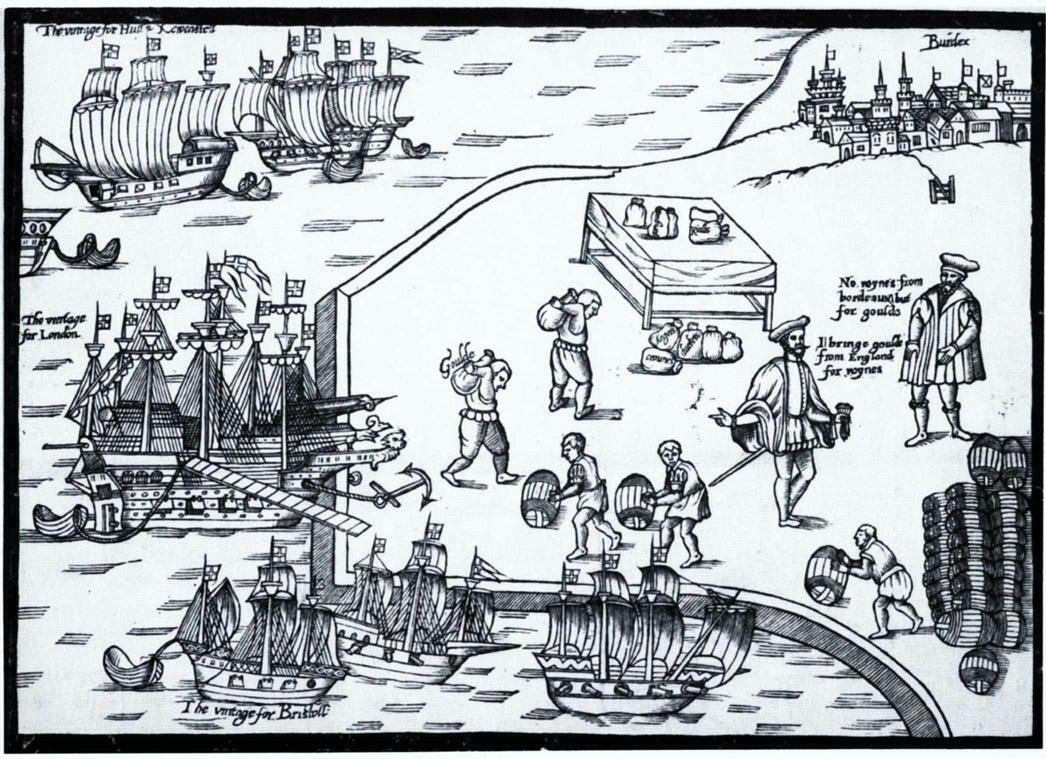
On 21 July 1588, the English navy first engaged the Spanish Armada in battle off Devon. The very next day, as the Armada sailed east along the channel to rendezvous with the army of the Duke of Parma in the Spanish Netherlands and invade England, a tiny ship named the Wren left its home port of Sandwich, in Kent, carrying cloth bound for French Calais. On 23 July, the two fleets clashed again off Portland Bill in Dorset. The day after that, another small vessel, the Penny Pot, carried beer to Vlissingen in the Dutch province of Zeeland.
Queen Elizabeth I's England is often presented as isolated from Europe by the Reformation and war. The story goes that the Tudor kingdom 'went global', projecting new maritime military and commercial power far beyond its shores and setting the stage for the British empire. Yet this simple formula ignores the lived experience of coastal communities where the so-called 'Narrow Seas', which divided Britain from Europe, drew narrowest. The shipmaster of the Wren, Anthony Hickson, may have lacked the swagger of the queen's 'sea dogs', like John Hawkins, Francis Drake or Walter Ralegh. But he, and many others, showed startling resilience in maintaining strong ties with the continent, even while under threat from the Spanish 'Grande y Felicísima Armada' (Great and Most Fortunate Navy').

This story is from the September 2023 edition of BBC History UK.
Subscribe to Magzter GOLD to access thousands of curated premium stories, and 10,000+ magazines and newspapers.
Already a subscriber? Sign In
MORE STORIES FROM BBC History UK

History Extra
Personal stories
Few shows have enjoyed the longevity of Who Do You Think You Are? and it's easy to understand why it has endured.

1 min
June 2026

History Extra
Tidal change
Southern mythos notwithstanding, there exists no static, exceptional American South.
1 mins
June 2026

History Extra
Marriage story
Emily Howes on her novel about Catherine Dickens' relationship with her famous husband
1 mins
June 2026
History Extra
Sexual her-story
A witty, wide-ranging account of the myths and power structures behind female sexuality impresses SARAH JONES
2 mins
June 2026

History Extra
History man
According to Tom Hanks, during his childhood 'The War' was a recurring topic in the conversations of the adults around him.
1 min
June 2026
History Extra
How to be a master of disguise
10 do's and don'ts when attending a masquerade
2 mins
June 2026
History Extra
Age of indulgence
Our content producer Charlotte Vosper picks episodes of the HistoryExtra podcast about Georgian Britain
1 min
June 2026
History Extra
Gaffer tape
While Bobby Robson and Gareth Southgate both led England to World Cup semi-finals, Alf Ramsey remains the only manager to actually win the trophy.
1 mins
June 2026

History Extra
What's the origin of the Fosbury Flop?
Like the Salchow in ice skating, the Fosbury Flop is a sport technique that immortalises the name of its creator.
1 min
June 2026

History Extra
EXHIBITIONS
In 1776, the United States of America was born - heralded by the Declaration of Independence.
1 min
June 2026
Translate
Change font size