
Ga onbeperkt met Magzter GOLD
Krijg onbeperkte toegang tot meer dan 9000 tijdschriften, kranten en Premium-verhalen voor slechts
Poging GOUD - Vrij
VOLCANIC ERUPTIONS: A NUMBER OF VOLCANOES ARE ACTIVE NOW. IS IT A SIGN OF TROUBLE?
BBC Science Focus
|New Year 2024
With volcanic activity being reported everywhere from Iceland to Italy, should we be concerned that a catastrophic event is looming?

Back in November, thousands of small earthquakes rocked southwest Iceland as magma rose towards the surface along a 14km (8.5-mile) fracture near the Svartsengi geothermal power plant. Molten rock opened wide fractures that sliced through the small town of Grindavík. The ground continued to swell and, at the time of writing, an eruption remains possible.
At around the same time, Mount Etna on the Italian island of Sicily exploded, dumping ash on nearby towns.
That's not all. Across the world, 45 other volcanoes continued to rumble, including Mayon and Taal in the Philippines, Santa María in Guatemala, Nevado del Ruiz in Colombia and Anak Krakatau in Indonesia. That last volcano is rising again following a major collapse in 2018, when it created a tsunami that killed more than 400 people.
HOW ACTIVE ARE THESE VOLCANOES?
It's possible that the magma rising near Svartsengi may not erupt at all, but instead will solidify beneath the surface. If it does reach the surface, though, it's likely to be in typically Icelandic style: very fluid lava will pour out of long cracks, occasionally solidifying into spectacular cones.
The recent eruption of Mount Etna marks business as usual at a volcano that's always sparking minor firework-like displays, pumping out lava or launching columns of ash high into the atmosphere.

Dit verhaal komt uit de New Year 2024-editie van BBC Science Focus.
Abonneer u op Magzter GOLD voor toegang tot duizenden zorgvuldig samengestelde premiumverhalen en meer dan 9000 tijdschriften en kranten.
Bent u al abonnee? Aanmelden
MEER VERHALEN VAN BBC Science Focus

BBC Science Focus
HOW FISH COULD SAVE MILLIONS OF PEOPLE'S SIGHT
There's nowhere near enough donors to meet the demand for corneal transplants. A pioneering treatment that relies on fish scales could change that

3 mins
May 2026

BBC Science Focus
Your Wi-Fi is lying to you
Wi-Fi 7's giant speed claims might look impressive, but the realities of our homes – and the laws of physics – mean that real-world performance will never get close
6 mins
May 2026
BBC Science Focus
WHICH ANIMAL IS MOST LIKELY TO ESCAPE FROM THE ZOO?
Have you heard the one about the monkey and the Yorkshire pudding?
2 mins
May 2026
BBC Science Focus
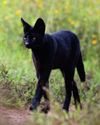
THE BLACK SERVAL
The black serval (Leptailurus serval) is an unusual, melanistic version of the African serval, a medium-sized wild cat that's native to Africa.
2 mins
May 2026
BBC Science Focus
Cryosleep vs hibernation: What's the difference?
When hibernating animals, such as hedgehogs and dormice, disappear for winter, they don't freeze like the Siberian salamander.
1 mins
May 2026
BBC Science Focus
Space brain
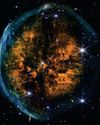
The greatest names in science are often said to be 'big-brained', but this cosmic wonder puts them all to shame. Nebula PMR 1 - otherwise known as the 'Exposed Cranium' nebula for its distinctive shape - measures around 3.2 light-years across.
1 min
May 2026
BBC Science Focus
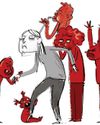
Your most draining relationships are taking years off your life, study suggests
Difficult people don't just zap your energy - they may also accelerate your biological ageing
4 mins
May 2026
BBC Science Focus
DOES EARTH HAVE A HEARTBEAT?
Move over, Ringo Starr.
1 mins
May 2026
BBC Science Focus
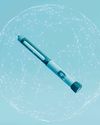
WEIGHT-LOSS DRUGS FOR ALL?
The obesity crisis is ruining lives and costing governments trillions. But some healthcare experts think there's now a radical solution: roll out GLP-1 jabs to everyone who needs them for free. Could it work?
9 mins
May 2026
BBC Science Focus
HOW TO SEE VENUS ON APPROACH TO JUPITER
Venus has been slowly moving away from the Sun's glare over the past few weeks, heading into the evening twilight after sunset.
1 mins
May 2026
Translate
Change font size