
Gå ubegrenset med Magzter GOLD
Få ubegrenset tilgang til over 9000 magasiner, aviser og premiumhistorier for bare
Prøve GULL - Gratis
Does anything live at the top of Mount Everest?
BBC Wildlife
|April 2025
TERRESTRIAL HABITATS DON'T GET ANY higher than the summits of Himalayan peaks. And Himalayan peaks don't get any taller than Everest.
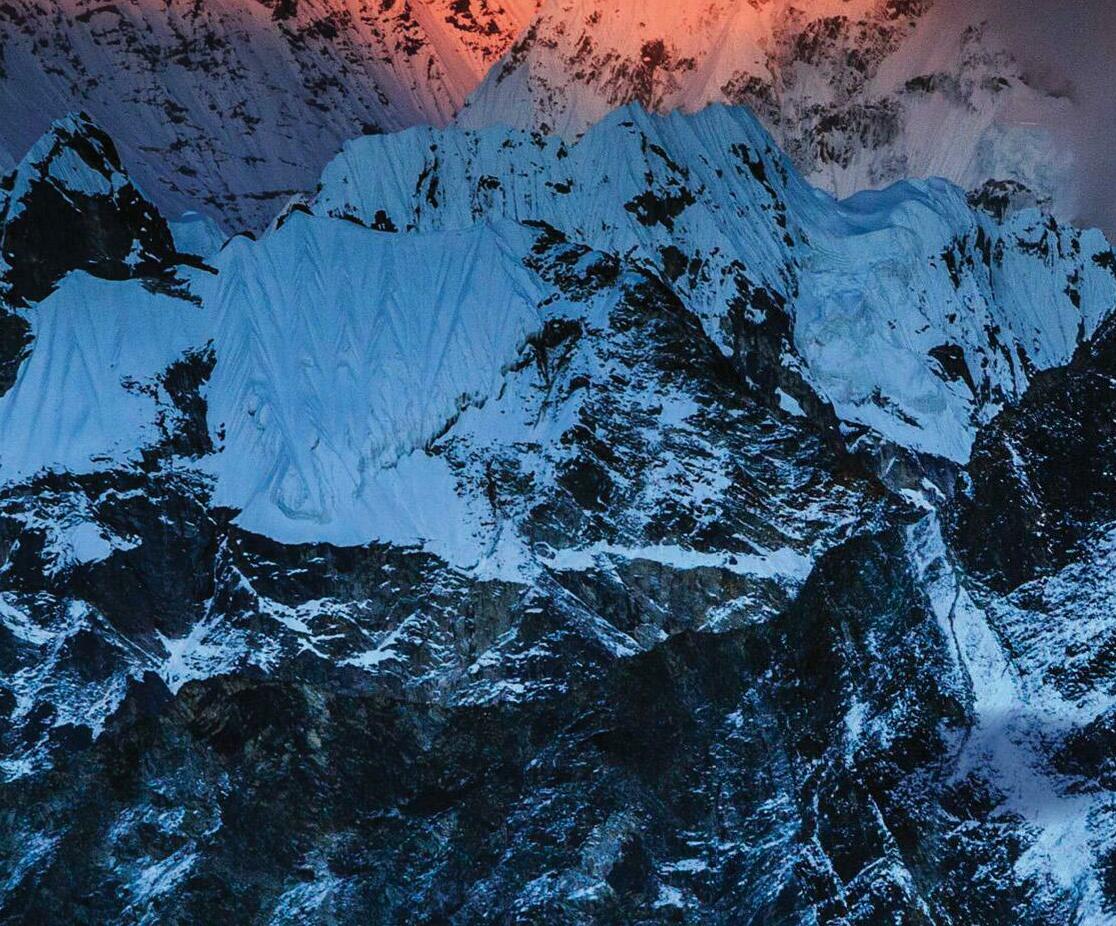
At 8,849m above sea level, the summit is exposed to extremes of wind, cold and oxygen-deprivation. Life is sparse at such heights.
Humans are almost certainly the only mammals to have set foot up there and, even then, only with technological assistance, and we don't tend to hang around for long. The only other mammal that gets close is the large-eared pika, a relative of rabbits, which reaches 6,400m in the Himalayas (though yellow-rumped leaf-eared mice have been recorded on the 6,739m-high summit of Llullaillaco in the South American Andes).
It might be that no life-forms bigger than a single cell can eke out a living on the roof of the world. Mosses aren't found higher than about 6,500m, for example. Among invertebrates, a single species of jumping spider ventures up to 6,000m, where it probably feeds on hapless insects blown in from elsewhere. Birds are mobile enough to drop by occasionally, though. Yellow-billed choughs have been spotted at 7,900m, and mountaineers have reported bar-headed geese flying over the summits of Everest and nearby Makalu.
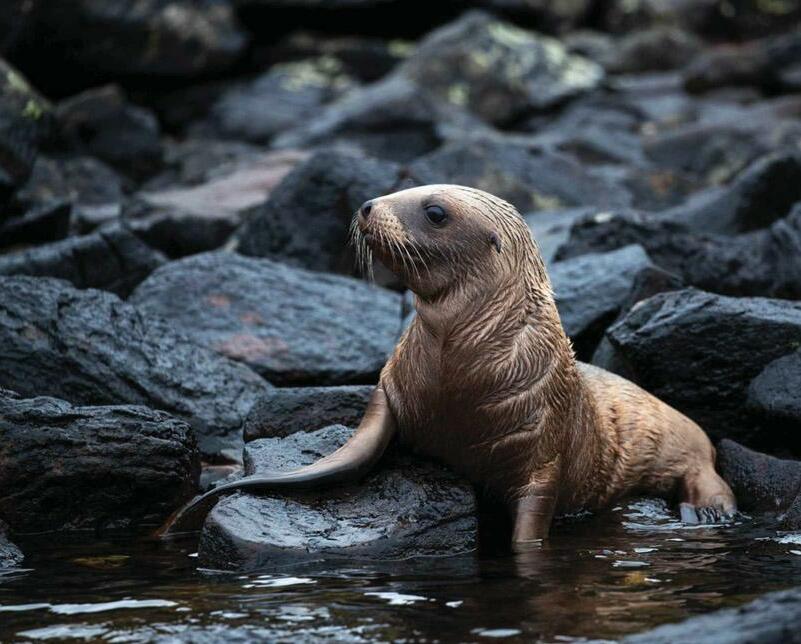 Why does New Zealand have so few mammals?
EVOLUTION HAS GREAT FUN ON ISLANDS. Their isolation means it has the luxury of working its magic for long periods away from mainland gene pools. The Galápagos, Hawaii, Madagascar, Mauritius all teem with species that are found nowhere else. And sitting all on its own in the south-west Pacific, 2,000km from the nearest landmass, New Zealand is no exception. More than half of its native species are endemic, including ancient and unique lineages of reptiles and plants and a spectacular variety of strange flightless birds. And yet something is missing.

Denne historien er fra April 2025-utgaven av BBC Wildlife.
Abonner på Magzter GOLD for å få tilgang til tusenvis av kuraterte premiumhistorier og over 9000 magasiner og aviser.
Allerede abonnent? Logg på
FLERE HISTORIER FRA BBC Wildlife
BBC Wildlife
Animal welfare
FURTHER TO EM GENOVESE'S LETTER (Your Letters, Spring 2026), I would like to signpost the charity Wild Welfare to readers.

2 mins
May 2026
BBC Wildlife
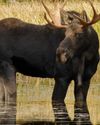
"The hooves pounded up the trail behind us"
Moose in Colorado
3 mins
May 2026
BBC Wildlife
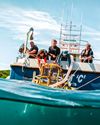
SEAGRASS SAVIOURS
Sometimes, saving the planet requires a bright idea, some practical know-how and a bit of tinkering
6 mins
May 2026
BBC Wildlife
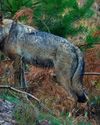
WALL TO WILD
After the fall of the Berlin Wall, reunified Germany became a new landscape not only for people, but for wildlife too 'M SITTING IN A FOREST IN Brandenburg, northeast Germany, looking over a large clearing.
7 mins
May 2026

BBC Wildlife
SNAP-CHAT
Samuel Bloch on wild horses, crazy capercaillies and sleeping on the job
2 mins
May 2026
BBC Wildlife
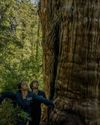
Old trees key to resilience
Study finds mature trees trump youthful ones
1 min
May 2026
BBC Wildlife
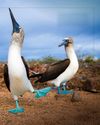
ONE STEP BEYOND
There's a lot more to these quirky seabirds than their eye-catching limbs
2 mins
May 2026
BBC Wildlife
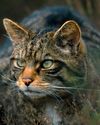
RETURN OF A LEGEND
Once teetering on the very brink of extinction, the elusive Scottish wildcat is prowling the Highlands once more, thanks to a bit of help
7 mins
May 2026

BBC Wildlife
Urban scavengers help curb carbon
New study reveals the extent of emissions saved as city animals feast on food waste
2 mins
May 2026
BBC Wildlife
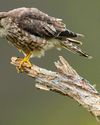
Merlin on the brink
The diminutive raptor is one of many species facing extinction in Britain, suggests new report
1 mins
May 2026
Listen
Translate
Change font size