Prøve GULL - Gratis
Energy & Power - April 16, 2023
Gå ubegrenset med Magzter GOLD
Lese Energy & Power sammen med 9000+ andre magasiner og aviser med bare ett abonnement
Se katalogAbonner kun på Energy & Power
Avbryt når som helst.
(Ingen forpliktelser) ⓘHvis du ikke er fornøyd med abonnementet, kan du sende oss en e-post på help@magzter.com innen 7 dager etter abonnementets startdato for full refusjon. Ingen spørsmål - lover! (Merk: Gjelder ikke for enkeltutgavekjøp)
Digitalt abonnement
Øyeblikkelig tilgang ⓘAbonner nå for å begynne å lese umiddelbart på Magzter-nettstedet, iOS, Android og Amazon-appene.
I dette nummeret
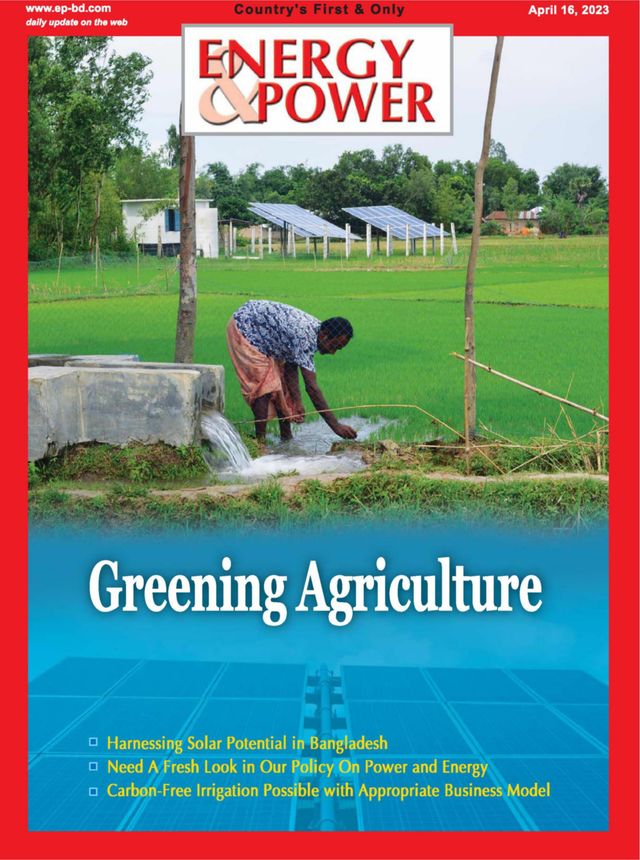
Despite rapid growth in the industrial sector, Bangladesh’s economy is still largely dependent on its agriculture. The farm sector continued to perform well so far in ensuring the food security of the country’s growing population, which now stands at about 170 million, with only a limited landmass thanks mainly to the farmers for their relentless efforts. Governments as well have always been providing no less support to the farmers to attain self-sufficiency in food production. One of the main inputs is irrigation without which agricultural output would not be enough to feed the people. Presently, Bangladesh is using diesel-and electricity-driven deep and shallow tube wells to pump out underground water for irrigation purposes. Recently, the government has taken an initiative to introduce solar irrigation pumps (SIPs) to replace the existing ones that require huge subsidies and cause environmental degradation. It has also launched a few pilot projects and found those feasible. A study by the Asian Development Bank also found that the cost of irrigation with SIPs would be 15-20% lower than the fossil fuel-based ones.
The welcoming move comes with the country’s global commitment to reducing carbon emissions. Bangladesh’s model of solar home systems received wide appreciation from home and abroad and was replicated elsewhere, but recent reports suggest most units already went out of order for lack of necessary maintenance. However, the agriculture sector would not be able to absorb such a setback even for a single season as it will make food security vulnerable.
Energy & Power Description:
Energy & Power (EP) is the first and only full-fledged fortnightly magazine that deals with the much cried over energy and power sector in Bangladesh. Since its inception in June 16, 2003, EP is working very hard to
a) Develop public consciousness on sustainable and even development of energy sector;
b) Assist the policy makers in assuming pragmatic policies for a balanced development of the energy sector;
c) Continuous supply of information among public; and
d) Develop a group of reporters in this field
Bangladesh is an energy deficit country like other countries in the region and most of the people do not have adequate access to the energy and power. The country is completely dependent on fossil energy source; at the same time, it is one of the most inefficient energy using countries in the world.
It lacks efficiency in planning, management, generation, distribution, load management and even at the end user level consumption.
In spite of the above drawbacks, issues relating to utilization of renewable energy, exploring alternative use of energy, planned use of environment friendly energy are significantly undermined in Bangladesh.
The biggest challenge of Bangladesh is to find a path for balanced growth of its energy sector. Despite its resource constraints, EP dynamically strives to provide theenergy sector with a flow of information and create public awareness; so that policymakers get guidelines and platforms for its sustainable development.
Code of Ethics
EP believes that public enlightenment is the forerunner of justice and the foundation of democracy. The duty of a journalist is to further those ends by seeking truth and providing a fair and comprehensive account of events and issues and professional integrity is the cornerstone of a journalist's credibility. We strive to serve the public with thoroughness and honesty.
The EP editorial policy is to share a dedication to ethical behavior and uphold the zero conflict of interest principles and highest standards of practice.
EP believes in
o Seeking truth and reporting the same
o Minimize harm
Nylige utgaver
EP_23_18 (Energy & Power Vol 23 Issue 18 March 1, 2026)
EP_23_17 (Energy & Power Vol 22 Issue 17 Feb 16, 2026)
EP_23_16 (Energy & Power Vol 23 Issue 16 Feb 1, 2026)
EP_23_15 (Energy & Power Vol 23 Issue 15 January 16, 2026)
EP_23_13 (Energy & Power Vol 23 Issue 13 December 16, 2025)
EP_23_12 (Energy & Power Vol 22 Issue 12 December 1, 2025)
EP_23_11 (Energy & Power Vol 23 Issue 11 November 16, 2025)
EP_23_08 (Energy & Power Vol 23 Issue 8 October 1, 2025)
EP_23_07 (Energy & Power Vol 23 Issue 7 September 16, 2025)
EP_23_06 (Energy & Power Vol 23 Issue 6 September 1, 2025)
EP_23_05 (Energy & Power Vol 23 Issue 5 August 16, 2025)
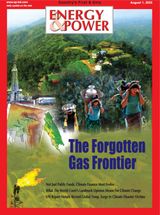
EP_23_04 (Energy & Power Vol 23 Issue 04 August 1, 2025)
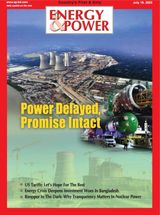
EP_23_03 (Energy & Power Vol 23 Issue 03 July 16, 2025)
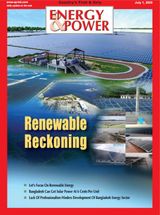
EP_23_02 (Energy & Power Vol 23 Issue 02 July 1, 2025)
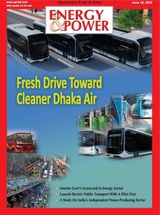
EP_23_01 (Energy & Power Vol 23 Issue 03 June 16, 2025)
EP_22_24 (Energy & Power Vol 22 Issue 24 June 1, 2024)
EP_21_23 (Energy & Power Vol 22 Issue 23 May 16, 2025)
EP_22_22 (Energy & Power Vol 22 Issue 22 May 1, 2025)
EP_22_21 (Energy & Power Vol 21 Issue 21 April 16, 2025)

EP_22_20 (Energy & Power Vol 22 Issue 20 April 1, 2025)
EP_22_19 (Energy & Power Vol 22 Issue 19 March 16, 2025)
EP_22_18 (Energy & Power Vol 22 Issue 17 March 1, 2025)
EP_22_17 (Energy & Power Vol 22 Issue 17 Feb 16, 2025)
EP_22_16 (Energy & Power Vol 21 Issue 16 Feb 1, 2025)

EP_22_15 (Energy & Power Vol 22 Issue 15 Jan 16, 2025)

EP_22_14 (Energy & Power Vol 22 Issue 14 January 1, 2025)

EP_22_13 (Energy & Power Vol 22 Issue 13 December 16, 2024)
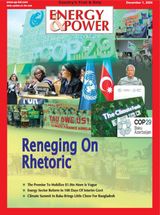
EP_22_12 (Energy & Power Vol 22 Issue 12 December 1, 2024)
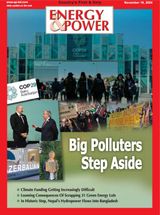
EP_22_11 (Energy & Power Vol 22 Issue 11 November 16, 2024)
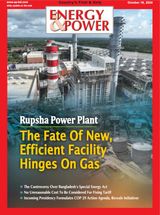
EP_22_09 (Energy & Power Vol 22 Issue 9 October 16, 2024)
Spesielle problemer
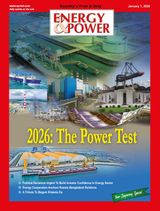
EP_23_14 (Energy & Power Vol 23 Issue 13 January 1, 2026)
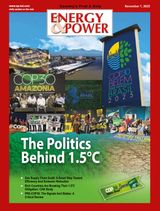
EP_23_10 (Energy & Power Vol 23 Issue 10- COP30 Special - November 1, 2025)
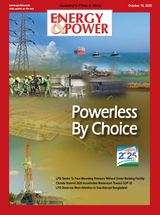
EP_23_09 (Energy & Power Vol 23 Issue 9 October 16, 2025 Anniversary Issue)
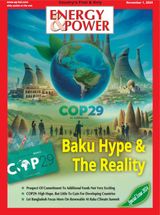
EP_22_10 (Energy & Power Vol 21 Issue 10 November 1, 2024)
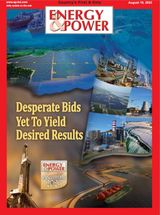
August 16, 2023
June 16, 2016
Relaterte titler
Newsweek US

Entrepreneur US

Fortune US

Fast Company

Inc.

Business Traveler US

CODE Magazine

TradersWorld
PEN WORLD

Writer’s Digest

Farming Magazine

Truck N Trailer

Central Florida Ag News

F-Series Builders Guide

C10 Builders Guide

IssueWire

The Blueberry News

Best of DC

NEW ACCOUNTANT INTERNATIONAL EDITION

SUCCESS magazine

FemFounder

Book Dealers World

B2B Magazine

Speak For Wealth

Best of Omaha

TOP 100 Real Estate Brokers & Developers 2022 by Luxury Lifestyle Awards

Inventors Digest

The WOOL Book

Premier Flooring Retailer

Mississippi Market Wholesale Show