
Go Unlimited with Magzter GOLD
Get unlimited access to 10,000+ magazines, newspapers and Premium stories for just
Try GOLD - Free
REVENGE OF THE SOFTIES
WIRED
|January - February 2025
FOR YEARS, PEOPLE COUNTED MICROSOFT OUT. THEN SATYA NADELLA TOOK CONTROL. AS THE COMPANY TURNS 50, IT'S MORE RELEVANT-AND SCARIER-THAN EVER.

JAIME TEEVAN JOINED Microsoft before it was cool again. In 2006, she was completing her doctorate in artificial intelligence at MIT. She had many options but was drawn to the company's respected, somewhat ivory-tower-ish research division. Teevan remained at Microsoft while the mother ship blundered its way through the mobile era.
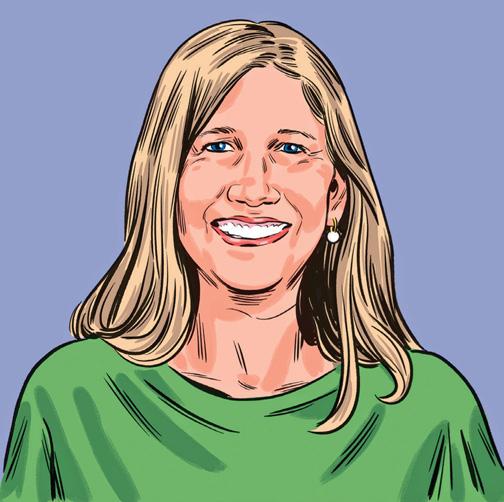 JAIME TEEVAN CHIEF SCIENTIST
Then, as the calendar flipped into the 2010s, an earth-shattering tech advance emerged. A method of artificial intelligence called deep learning was proving to be a powerful enhancement to software products. Google, Facebook, and others went on a tear to hire machine-learning researchers. Not so much Microsoft. "I don't remember it like a frenzy," Teevan says. "I don't remember drama." That was a problem. Microsoft's focus remained largely on milking its cash cows, Windows and Office.
In 2014, Microsoft surprised people by promoting the ultimate company man, Satya Nadella, to CEO. Nadella had spent 22 years pulling himself up the ranks with his smarts and drive. And his likability. The latter trait was a rarity at the company. Nadella knew its culture intimately, and he knew he had to change it.
Three years later, Teevan became Nadella's third technical adviser-and the first to have a background in AI. Then she became chief scientist, and her task was to imbue the company's products with the AI of the time. In 2019, Nadella made the bold decision to spend $1 billion to partner with OpenAI, the small but trailblazing company that was leading the field. Microsoft was given unbridled access to its technology. It was a risky bet-even experts like Teevan, who'd seen OpenAI's progress over the years, were skeptical that the tech would make much of a difference.
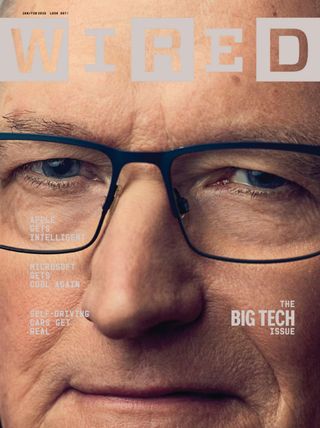

This story is from the January - February 2025 edition of WIRED.
Subscribe to Magzter GOLD to access thousands of curated premium stories, and 10,000+ magazines and newspapers.
Already a subscriber? Sign In
MORE STORIES FROM WIRED
WIRED
HIDING IN AMERICA
For the past six months, a family in Chicago has been terrified to leave their apartment.

13 mins
May / June 2026
WIRED
DUMBEST PHONE
Kids are going wild for a new landline-like device called the Tin Can, even though they barely know how to use it.
6 mins
May / June 2026
WIRED
AI JOE
How to train a model for war.
3 mins
May / June 2026

WIRED
BLENDING IN
How American camouflage conquered the world.
8 mins
May / June 2026
WIRED
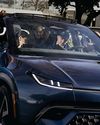
The Fisker Liberation Movement
When an EV company went out of business in 2024, its biggest fans saw an opportunity to bring the “right to repair” to the masses.
21 mins
May / June 2026
WIRED
DON'T INHALE
COBOL is the asbestos of programming languages.
4 mins
May / June 2026
WIRED
CABLE NEWS
SAY GOODBYE TO THE UNDERSEA CABLE
18 mins
May / June 2026
WIRED
MISSING IN GAZA
They are not alive. They are not dead. They are simply gone.
24 mins
May / June 2026
WIRED
WHAT WOULD SECESSION IN AMERICA LOOK LIKE?
IT'S BECOME ALMOST like a histamine response: After a shocking national event like the assassination of Charlie Kirk, or Donald Trump's deployment of the military to Los Angeles last June, mentions of the term “civil war” and calls for secession surge online.
7 mins
May / June 2026
WIRED
TAREK MANSOUR IS BETTING (NOT GAMBLING!) ON THE FUTURE
The cofounder and CEO of Kalshi believes prediction markets don't just make people money-they also help society.
7 mins
May / June 2026
Listen
Translate
Change font size